






What's Happening?
Massachusetts housing officials are considering a pilot program, modeled after New York's 'MOVE-IN NY' initiative, to provide quicker and more affordable starter homes for middle-income, first-time buyers. The Executive Office of Housing and Livable Communities
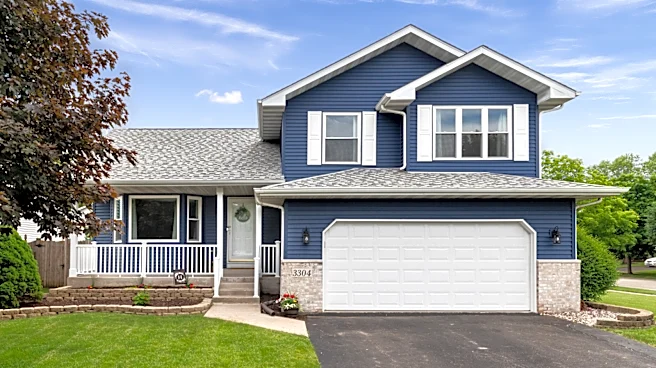
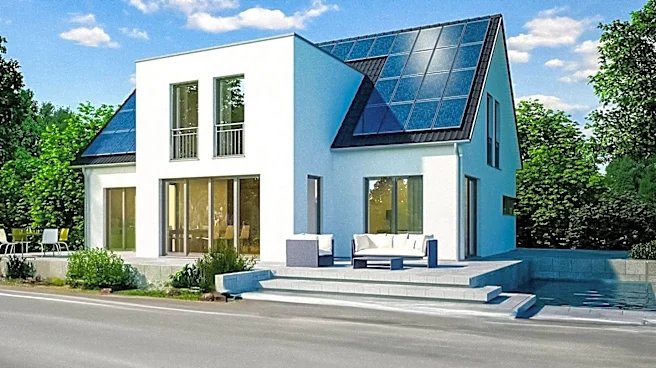
is currently seeking interest from cities and towns for this 'Move-In MA' program. The initiative would utilize 'CrossMods,' a type of prefabricated home designed to resemble traditional houses but at a significantly lower cost. New York's pilot demonstrated that these homes could be purchased, manufactured, and installed in under six months at approximately half the cost of comparable site-built homes. Massachusetts is eyeing an initial pilot of about 20 homes, with a goal for future expansion. The proposed process involves MassHousing issuing a request for proposals, with developers receiving no-interest loans to build these cost-effective homes. These homes would then be sold to buyers with incomes between 70% and 130% of the area median, with proceeds returning to MassHousing to fund future development. The envisioned timeline is aggressive, aiming for a formal RFP launch in September or October and home occupancy by summer or fall of 2027.
Why It's Important?
This initiative is crucial for addressing Massachusetts' pressing housing affordability crisis, which is causing a significant outflow of residents, particularly those aged 25-44. The high cost of housing and construction has made it increasingly difficult for renters to transition to homeownership, often costing more to build a new home than its market value. By adopting a model that has proven successful in New York for its speed and cost-effectiveness, Massachusetts aims to create more accessible housing options. This could help retain its workforce, attract new residents, and stabilize communities. The program's focus on middle-income, first-time buyers directly targets a demographic struggling to enter the housing market. The use of prefabricated 'CrossMods' could revolutionize construction practices in the state, offering a scalable solution to housing shortages. Furthermore, the no-interest loan structure for developers and the reinvestment of proceeds into future development create a sustainable model for expanding affordable housing access, potentially alleviating pressure on the broader housing market and reducing the need for more drastic measures like zoning changes currently being debated.
What's Next?
The Executive Office of Housing and Livable Communities will continue to gather responses from cities and towns to gauge interest in the 'Move-In MA' program. Following this, MassHousing is expected to launch a formal Request for Proposals (RFP) in September or October. This RFP will invite developers with municipal backing to apply for no-interest loans to construct 'CrossMod' or other cost-effective starter homes. The program aims for the first occupants to move into these new homes by the summer or fall of 2027. The success of this initial pilot of approximately 20 homes will likely determine the program's future growth and potential statewide expansion. Additionally, the progress of this initiative may influence ongoing discussions and ballot campaigns, such as the 'Legalize Starter Homes' campaign, which seeks to change zoning rules to allow single-family homes on smaller lots. The administration will closely monitor the program's effectiveness in addressing the state's housing needs and its impact on retaining younger residents.
Beyond the Headlines
The exploration of prefabricated 'CrossMods' signifies a potential paradigm shift in how Massachusetts approaches housing development. Beyond immediate affordability, this move could foster innovation in construction, promoting more efficient and sustainable building practices. The emphasis on 'curb appeal' for these prefabricated homes suggests an effort to integrate them seamlessly into existing residential neighborhoods, addressing potential aesthetic concerns often associated with modular housing. This initiative also highlights a broader trend of states looking to other successful models to tackle complex issues, demonstrating a willingness to adapt and innovate in public policy. The program's success could also influence labor markets, potentially creating new jobs in manufacturing and installation of these homes. Furthermore, by targeting middle-income buyers, the state is not only addressing housing but also aiming to strengthen its economic base by supporting a crucial segment of its workforce. The long-term implications could include a more diverse housing stock, reduced urban sprawl through infill development, and a more resilient housing market less susceptible to traditional construction cost fluctuations.