
What's Happening?
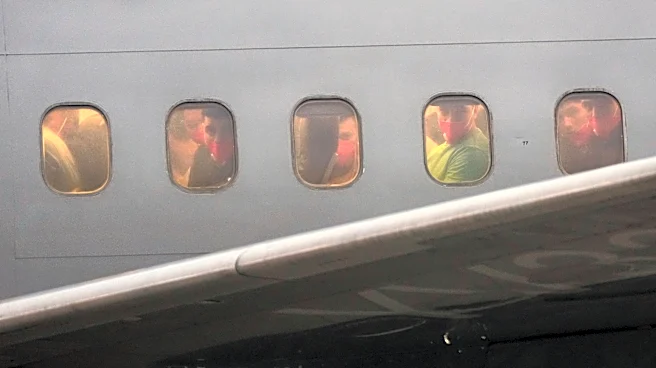
Liam Ramos, a child previously held in a Texas detention center, has been returned by Delta Airlines, sparking discussions about the transparency and ethics of ICE flights. The case, discussed by journalists
Trent R. Nelson and Caitlin M. Green with Gillian Brockell, highlights the complexities surrounding the transportation of detainees and the role of airlines in these operations. The situation has drawn attention to the broader issues of immigration enforcement and the treatment of detainees, particularly minors, within the U.S. immigration system.
Why It's Important?
The return of Liam Ramos and the subsequent discussions underscore ongoing concerns about the U.S. immigration system, particularly the treatment of minors in detention. The involvement of commercial airlines in transporting detainees raises questions about corporate responsibility and transparency in government operations. This case highlights the need for greater oversight and accountability in the handling of immigration enforcement, as well as the ethical considerations for companies involved in these processes. The public discourse generated by this case may influence future policy decisions and corporate practices related to immigration enforcement.
What's Next?
As the conversation around ICE flights and the treatment of detainees continues, there may be increased pressure on both government agencies and private companies to improve transparency and accountability. Advocacy groups and policymakers may push for reforms to ensure the humane treatment of detainees, particularly minors, and to address the ethical implications of corporate involvement in immigration enforcement. The outcome of these discussions could lead to changes in policy and practice, potentially impacting the broader immigration system in the U.S.