




What's Happening?
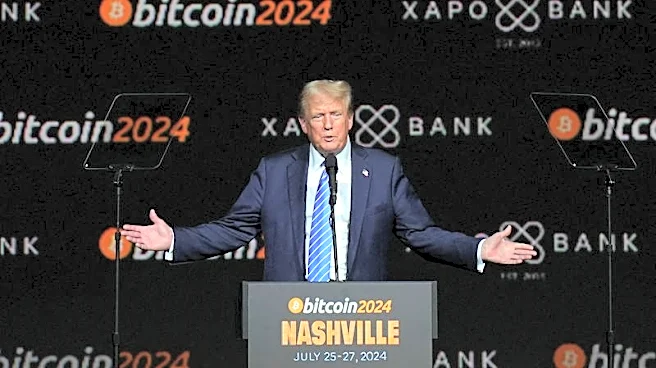
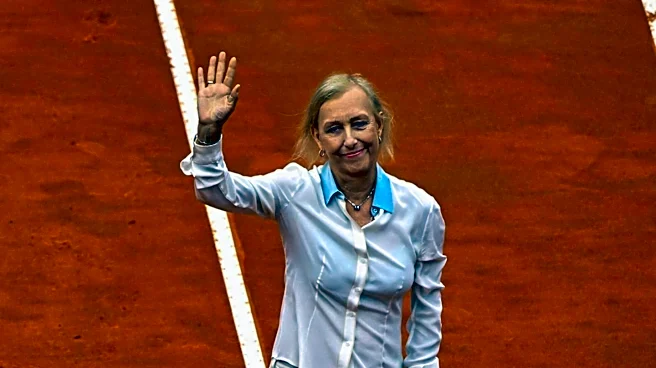
Retired tennis star Martina Navratilova made headlines with her response to a statement by U.S. President Donald Trump. During a speech at an evangelical advocacy conference, President Trump emphasized the importance of respecting the president, stating,
'If you don’t respect the president, you're going to have a problem.' In response, Navratilova took to social media, asserting, 'Respect is earned, not given.' This exchange gained traction online, with many users sharing a meme that highlighted Navratilova's retort as a pointed rebuke to Trump's comments. The context of Trump's remarks included claims about military recruitment challenges and his administration's efforts to address them, which were part of a broader narrative about respect and national service.
Why It's Important?
This exchange underscores the ongoing public discourse about respect for political leaders and the conditions under which it is granted. Navratilova's response reflects a sentiment shared by many that respect should be contingent upon actions and character rather than position alone. This incident also highlights the role of social media in amplifying public figures' responses to political statements, influencing public opinion and potentially shaping political narratives. The broader implications touch on the relationship between citizens and their leaders, the expectations of public service, and the accountability of those in power.
What's Next?
The dialogue initiated by Navratilova's response may prompt further discussions about the nature of respect in political contexts. It could lead to increased scrutiny of political rhetoric and the actions of leaders that warrant respect. Additionally, this incident may encourage other public figures to voice their opinions on similar matters, potentially influencing public discourse and policy discussions. The White House and President Trump may choose to address the comments directly or indirectly, which could further shape the narrative.
Beyond the Headlines
This situation also raises questions about the cultural and ethical dimensions of respect in leadership. It challenges the traditional view that respect is inherently tied to authority, suggesting a shift towards a more merit-based perspective. This could have long-term implications for how leaders are perceived and evaluated by the public, potentially affecting electoral outcomes and policy support. The incident also highlights the power of social media as a platform for public discourse and its ability to challenge traditional media narratives.