




What's Happening?
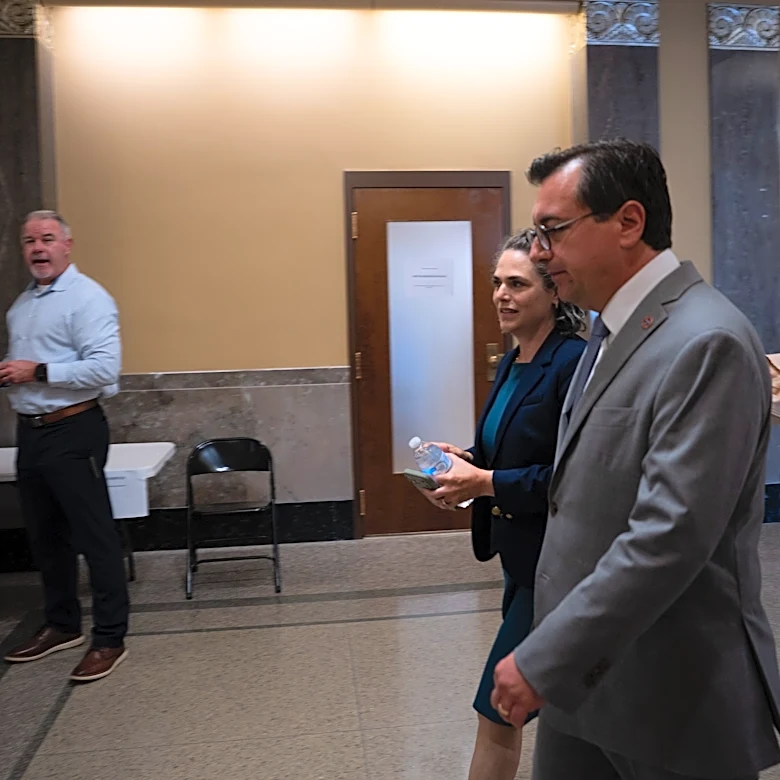
Senator John Hoeven (R-N.D.) met with Katherine Fox, FEMA Region 8 Acting Regional Administrator, in Bismarck to discuss and advance $75 million in funding for critical infrastructure projects across North Dakota. These projects primarily focus on flood
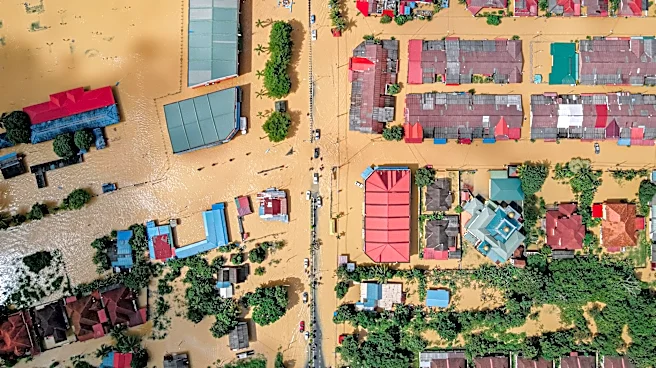
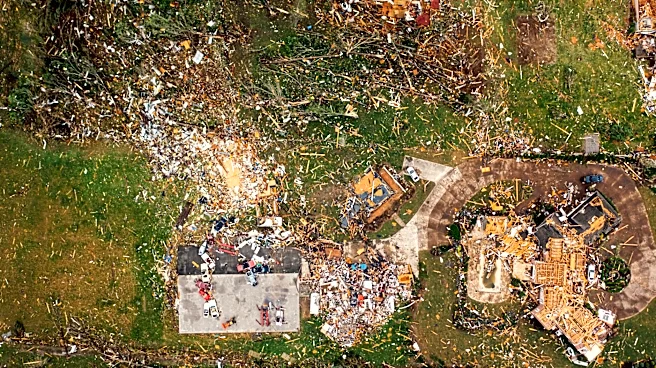
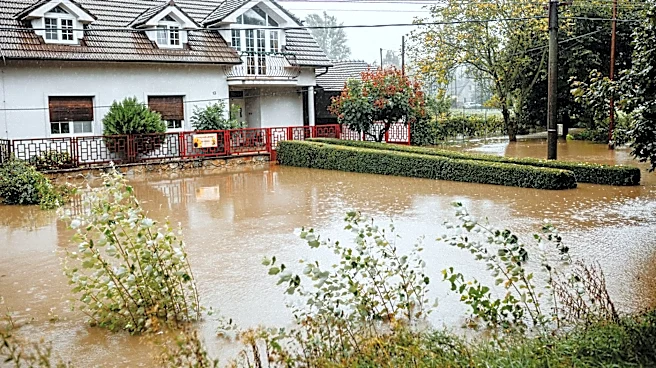
control, disaster mitigation, and wastewater improvements. A key initiative is the South Bismarck Flood Control Project, a $50 million FEMA Flood Mitigation Assistance award, for which Senator Hoeven is working to secure $42.7 million in Phase 2 construction funding, with construction anticipated to begin in 2027. This project aims to remove approximately 1,000 structures from the floodplain. Additionally, Senator Hoeven is supporting BRIC-funded infrastructure projects in Fessenden, Lincoln, and Washburn, as well as a wastewater improvement project for the University of Mary. He also addressed North Dakota's request for a presidential major disaster declaration following severe storms and tornadoes that impacted western and central parts of the state in June.
Why It's Important?
The advancement of these infrastructure projects is crucial for enhancing the resilience and safety of North Dakota communities. The South Bismarck Flood Control Project, in particular, will provide significant flood protection, reducing the burden of flood insurance on residents and safeguarding properties. Disaster mitigation efforts are vital for minimizing the economic and social disruption caused by natural disasters, which have become increasingly frequent and severe. Investing in wastewater infrastructure, such as the University of Mary's project, is essential for public health and environmental protection, ensuring proper sanitation and preventing pollution. These investments not only protect existing communities but also support future development by creating a more secure and sustainable environment. The federal funding secured through Senator Hoeven's efforts demonstrates a commitment to addressing long-term infrastructure needs and disaster preparedness in the state.
What's Next?
Senator Hoeven is actively working to unlock the remaining $42.7 million in Phase 2 construction funding for the South Bismarck Flood Control Project, with a target construction start date of 2027. Continued efforts will be made to advance other BRIC-funded projects in Fessenden, Lincoln, and Washburn, as well as the University of Mary's wastewater improvement project. The state of North Dakota awaits a decision on its request for a presidential major disaster declaration following the June storms and tornadoes, which could unlock additional federal assistance for recovery efforts. These ongoing initiatives highlight a sustained focus on infrastructure development and disaster preparedness to protect North Dakota communities and their residents.
Beyond the Headlines
Beyond the immediate benefits of flood protection and improved wastewater systems, these infrastructure investments have broader implications for regional economic stability and community well-being. By reducing the risk of flood damage, property values can be stabilized, and local businesses can operate with greater certainty. The long-term impact of effective disaster mitigation extends to public health, as it prevents waterborne diseases and ensures access to clean water. Furthermore, these projects can stimulate local economies through job creation in construction and related sectors. The proactive approach to infrastructure development also signals a commitment to sustainable growth, preparing North Dakota for future environmental challenges and ensuring the safety and prosperity of its citizens for decades to come.