
What's Happening?
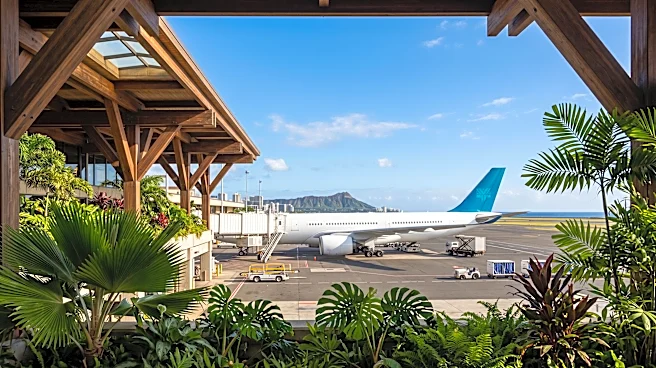
Effective October 3, Hawaiian Airlines has consolidated check-in and bag drop for all international departures from Daniel K. Inouye International Airport in Honolulu to Terminal 2, Lobby 4. This change
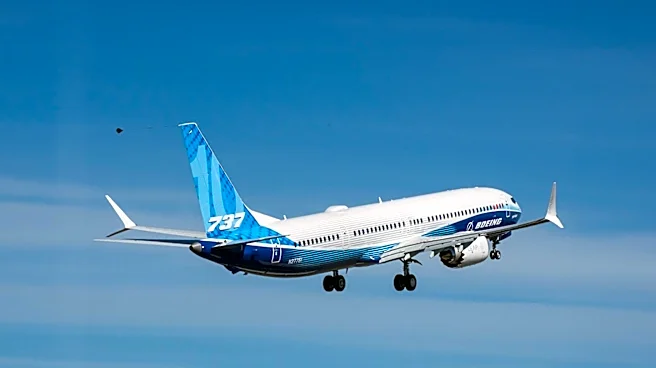
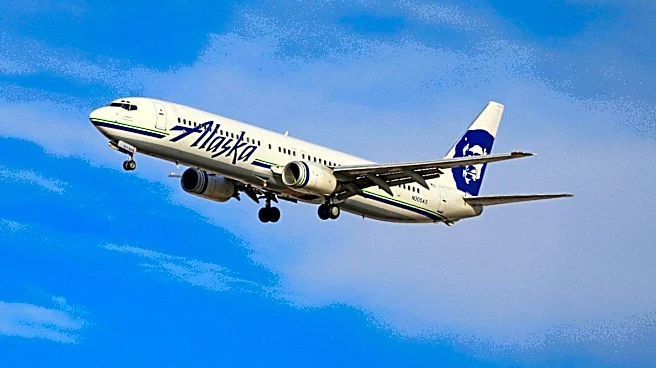
aims to improve lobby flow for passengers traveling through Terminals 1 and 2 on both Alaska Airlines and Hawaiian Airlines. Travelers are advised to check flight information and allow extra time to locate the updated lobby. Concurrently, Hawaiian Airlines is increasing the recommended check-in and bag drop time for all neighbor island flights to at least 50 minutes before departure, up from the previous 30 minutes. This adjustment is intended to enhance baggage handling efficiency and support on-time departures. All Hawaiian and Alaska neighbor island flight check-ins and bag drops will continue to be processed at Terminal 1. This includes three daily flights between Honolulu and Kahului, Maui, operated by Alaska Airlines-branded 737 aircraft, also commencing on October 3.
Why It's Important?
These operational changes by Hawaiian Airlines are significant for travelers within and from Hawaii, impacting their airport experience and potentially travel planning. The consolidation of international check-ins to Terminal 2 is part of a broader effort to streamline airport operations and improve passenger flow, which can lead to reduced wait times and a more efficient travel process. The increased check-in time for neighbor island flights reflects a proactive measure to address potential baggage handling challenges and ensure punctuality, which is crucial for maintaining reliable interisland connectivity. This is particularly relevant as the Hawaii Department of Transportation and Hawaiian Airlines work to accommodate the integration of 737 interisland fleets, a transition that will require adjustments in airport infrastructure and procedures. The changes underscore the airline's commitment to maintaining essential services while preparing for future fleet modernization.
What's Next?
The implementation of these changes will serve as a crucial learning phase for Hawaiian Airlines, Alaska Airlines, and the Hawaii Department of Transportation. The 737 Honolulu-Kahului flight, operated by Alaska Airlines, will function as a case study to gather operational experience and insights. This will help in determining necessary plane geometries for jet bridges, gate shifting requirements, and other adjustments to maximize efficiency in passenger flow, baggage handling, and aircraft servicing. The merged company has a longer-term plan to retire the 717 fleet and transition to 737s carrying the Hawaiian Airlines brand, based in Honolulu, by 2028. In the interim, Hawaiian Airlines will continue to maximize the use of its 717s for neighbor island flights. These ongoing adjustments in lobby flow, timeline, and capacity are designed to ensure continued connectivity for communities while preparing for the full fleet transition.
Beyond the Headlines
The operational adjustments by Hawaiian Airlines, particularly the increased check-in times and terminal consolidation, highlight the complex logistical challenges involved in airline mergers and fleet modernization. Beyond the immediate impact on passenger convenience, these changes reflect a strategic effort to adapt airport infrastructure and operational protocols to accommodate larger, more modern aircraft. The collaboration between Hawaiian Airlines, Alaska Airlines, and the Hawaii Department of Transportation underscores the critical role of inter-agency cooperation in ensuring seamless transitions and maintaining essential air services for island communities. The focus on learning from the initial 737 interisland flights suggests a data-driven approach to future planning, aiming to optimize efficiency and passenger experience in the long term. This also touches upon the broader economic implications for Hawaii, where reliable air travel is vital for tourism and local commerce.