










What's Happening?
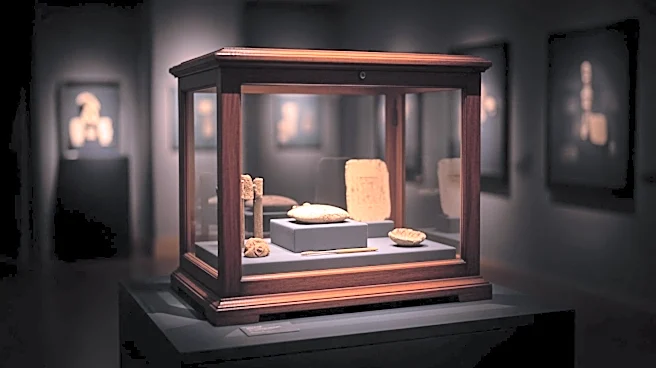
The Magistrates Court in Haifa has issued a restraining order to stop the auctioning of Holocaust-era artifacts, including original yellow stars and liberation certificates. The order was in response to a petition filed by the Yad Ezer La-Haver association,
which operates a Holocaust Museum in Haifa. The association argued that selling these items to private buyers could result in them disappearing from public view, thereby causing irreparable damage to Holocaust research and commemoration. The court's decision was fully in favor of the association's arguments, emphasizing the importance of preserving these artifacts for educational purposes. The auction house, Pa'amonim, had intended to sell the items, which belonged to a young couple who died without heirs, but the court's ruling prevents this sale.
Why It's Important?
This court ruling underscores the ongoing debate over the ownership and sale of historical artifacts, particularly those related to sensitive subjects like the Holocaust. The decision highlights the importance of preserving such items in public institutions where they can serve educational purposes and honor the memory of those who suffered. The ruling is significant for Holocaust survivors and their descendants, as it ensures that these artifacts remain accessible for future generations to learn from. It also raises questions about the ethical considerations of selling historical items that hold significant cultural and emotional value.
What's Next?
Following the court's decision, the Yad Ezer La-Haver association may seek to acquire the artifacts for their museum to ensure they are preserved and displayed appropriately. The auction house may consider appealing the decision or negotiating with the association to find a mutually agreeable solution. This case could set a precedent for how similar disputes over historical artifacts are handled in the future, potentially influencing legislation or guidelines regarding the sale and preservation of culturally significant items.
Beyond the Headlines
The case brings to light the broader issue of how societies choose to remember and educate about historical atrocities. It raises ethical questions about the commodification of history and the responsibilities of private collectors versus public institutions. The decision may prompt other countries and organizations to reevaluate their policies on the sale and preservation of historical artifacts, particularly those related to traumatic events.