




What's Happening?
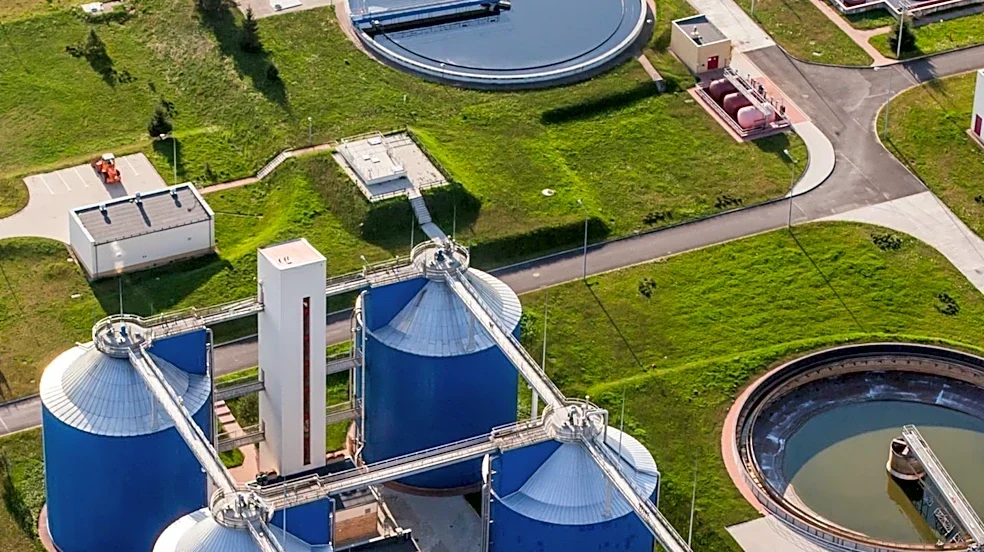
The Atlantic County Utility Authority (ACUA) in Atlantic City, New Jersey, has installed what is being described as the world's first permanent commercial microplastic filtration system at a wastewater treatment plant. Developed by PolyGone Systems, the PolyPod
unit is designed to intercept microplastics before treated wastewater is released into the Atlantic Ocean. This initiative follows a successful pilot project launched in 2024, which captured 580 million plastic particles annually from a facility processing 40 million gallons of water per day. The full-time operation, announced on Tuesday, aims to safeguard water quality for over 200,000 residents, beach visitors, and marine ecosystems along the New Jersey coast. The project received $2 million in funding through a loan with principal forgiveness from the New Jersey Infrastructure Bank.
Why It's Important?
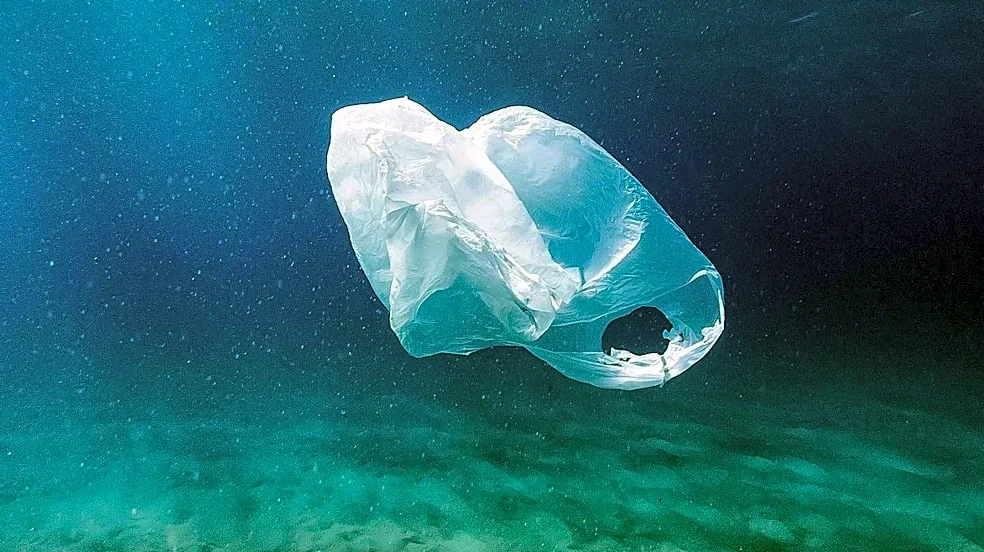
This installation marks a significant advancement in addressing microplastic pollution, a growing environmental concern with widespread implications for marine life and potentially human health. Microplastics, defined as particles smaller than a grain of rice, are pervasive in waterways and can enter the food chain. The ACUA's adoption of this technology demonstrates a proactive approach to environmental protection and could serve as a model for other wastewater treatment facilities globally. The system's ability to capture 98% of microplastics, including nano- and submillimeter particles, highlights its potential effectiveness. The success of this project could spur further investment and development in microplastic removal technologies, influencing water quality standards and public health initiatives across the U.S. and beyond.
What's Next?
PolyGone Systems and the ACUA will monitor the performance of the PolyPod unit to assess its long-term effectiveness in capturing microplastics. The filters, which are silicone-based and designed to attract microplastics, will be replaced annually. The automated system, built to last 10 to 15 years, will continue to operate with daily cleaning cycles to dislodge trapped plastics, which are then reduced through an evaporation unit for safe incineration or recycling. Advocacy groups like Environment New Jersey are urging other water departments, including the Philadelphia Water Department, to evaluate and scale this technology. This suggests a potential for broader adoption of similar microplastic filtration systems in other U.S. municipalities, driven by both environmental concerns and regulatory pressures.
Beyond the Headlines
The deployment of the PolyPod system underscores a broader shift towards innovative solutions for environmental challenges. While the immediate impact is on local water quality and marine ecosystems, the long-term implications could extend to public health by reducing human exposure to microplastics through seafood and drinking water. The project also highlights the role of public-private partnerships, with the ACUA collaborating with PolyGone Systems, a company founded by Princeton University graduates. This collaboration exemplifies how academic research and entrepreneurial spirit can translate into tangible environmental benefits. Furthermore, the funding mechanism through the New Jersey Infrastructure Bank indicates a growing recognition by financial institutions of the need to invest in sustainable infrastructure, potentially setting a precedent for future environmental projects.