





What's Happening?
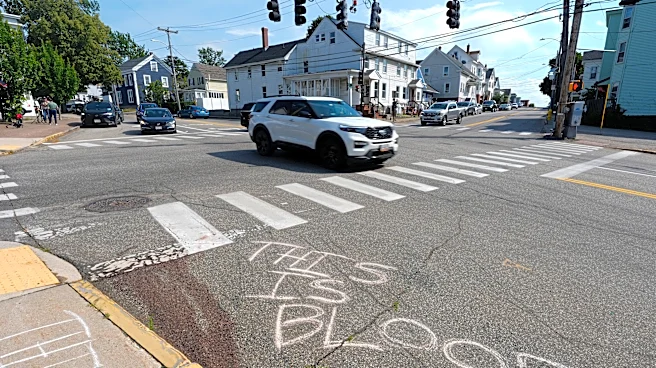
Federal authorities have increasingly used the term 'weaponized vehicle' in the context of immigration enforcement, particularly during the Trump administration's crackdown. This terminology was highlighted following a recent incident in Maine where a driver
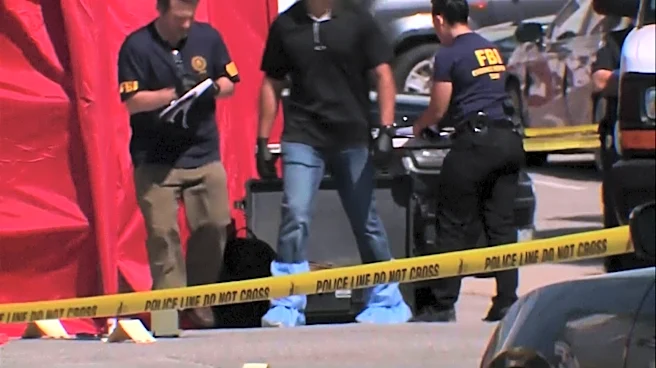
was fatally shot by immigration officers. The Department of Homeland Security initially described the vehicle as a weapon, later stating that officers fired fearing for public safety. This marks the second such incident in a week where federal immigration authorities have shot and killed a driver accused of attempting to ram officers. The legal definition of a vehicle as a weapon remains ambiguous, with state and federal courts often considering vehicles as weapons in cases of aggravated assault. However, the criteria for when law enforcement can use deadly force against a moving vehicle are less clear, with many departments advising officers to avoid shooting due to potential risks to bystanders.
Why It's Important?
The use of the term 'weaponized vehicle' and the subsequent use of deadly force by immigration officers raise significant legal and ethical questions. The ambiguity in defining when a vehicle constitutes a weapon complicates the legal landscape, potentially affecting how law enforcement agencies across the U.S. handle similar situations. This issue also touches on broader debates about the use of force by federal authorities, particularly in immigration enforcement, and the potential for racial profiling and targeting of minority communities. The outcomes of these incidents could influence public policy and law enforcement training, impacting how officers are instructed to handle perceived threats from vehicles.
What's Next?
Future developments may include legal challenges or policy reviews regarding the use of deadly force in cases involving vehicles. Law enforcement agencies might revise their training and policies to address the complexities of such situations, potentially leading to more stringent guidelines on when officers can fire at moving vehicles. Public and political pressure could also lead to increased scrutiny of immigration enforcement practices, prompting calls for reform and accountability. Additionally, there may be legislative efforts to clarify the legal definition of a weaponized vehicle and establish clearer standards for law enforcement actions.