





What's Happening?
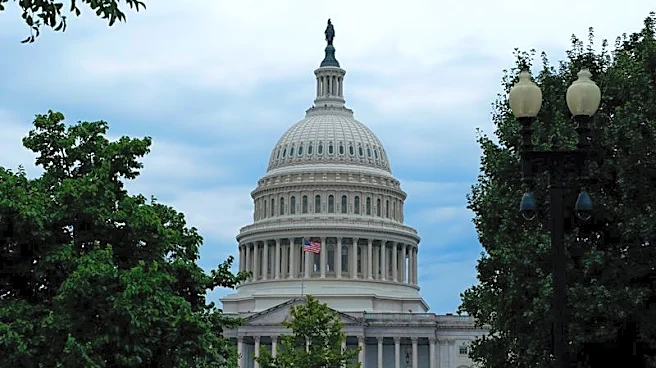
U.S. Senators Dick Durbin, Brian Schatz, and Kirsten Gillibrand, alongside U.S. Rep. Gwen Moore, have introduced the Child Marriage Prevention Act, a federal bill aimed at combating child marriage across the United States. This legislative effort comes
as states like California are enacting their own laws to ban child marriage, with California recently setting the minimum marriage age at 18 without exceptions. The federal bill seeks to push states towards a nationwide minimum marriage age of 18. According to data compiled by child-marriage advocacy groups from state marriage records, over 314,000 minors were legally married in the U.S. between 2000 and 2021, with some girls as young as 10. A significant portion of these marriages involved underage girls marrying adult men, and in many cases, marital exemptions in state statutory-rape laws shielded the adult spouse from prosecution. The United Nations considers child marriage a human rights violation, citing concerns such as early pregnancy, social isolation, interruption of schooling, and increased risk of domestic violence.
Why It's Important?
The introduction of the Child Marriage Prevention Act is a significant step towards addressing a critical human rights issue within the United States. While 18 states have banned child marriage without exception, the practice remains legal under varying restrictions in 32 other states. This federal bill aims to create a uniform national standard, ensuring that all children across the country are protected from the harms associated with early marriage. The legislation highlights the vulnerability of minors, who may be coerced into marriage and face legal barriers to seeking help or protection. By pushing for a nationwide ban, the U.S. would align more closely with international human rights standards and strengthen its credibility in advocating against child marriage globally. The bill also brings attention to the often-overlooked issue of child grooms, who may be forced into adult roles prematurely. This initiative could lead to a reevaluation of state laws and increased support for survivors of child marriage, ultimately safeguarding the well-being and future opportunities of countless young individuals.
What's Next?
The Child Marriage Prevention Act will now proceed through the legislative process in Congress, where it will be debated and potentially amended. Advocacy groups like Unchained At Last and the Tahirih Justice Center, which have been instrumental in developing and supporting this legislation, will likely continue to lobby for its passage. The bill's progress will involve discussions on its provisions, including potential financial incentives for states that ban child marriage and concerns raised by some advocates regarding sections that might inadvertently allow for certain forms of child marriage, such as spousal visas for minors. The debate will also likely involve states' rights arguments from some lawmakers who view such bans as government overreach. If passed, the federal bill would compel states to re-examine and potentially revise their marriage laws to meet the national minimum age of 18. This could lead to a significant shift in legal protections for minors across the country and a more unified approach to combating child marriage.
Beyond the Headlines
Beyond the immediate legislative impact, the Child Marriage Prevention Act touches upon deeper societal issues, including gender inequality, parental authority, and the interpretation of consent. The fact that child marriage remains legal in many states underscores the complex interplay of cultural norms, religious practices, and legal loopholes. The bill's introduction forces a national conversation about what constitutes childhood and when individuals are truly capable of consenting to marriage. It also highlights the ethical dilemma of balancing parental rights with the protection of children from potential exploitation and abuse. The global context, where many countries have already adopted stricter bans, puts pressure on the U.S. to align its laws with international human rights standards. This legislation could serve as a catalyst for broader social change, encouraging communities to challenge deeply ingrained cultural factors that perpetuate child marriage and fostering a greater understanding of the long-term detrimental effects on education, health, and overall well-being of young individuals. It also raises questions about the effectiveness of laws versus the need for fundamental shifts in societal attitudes and beliefs.