


What's Happening?
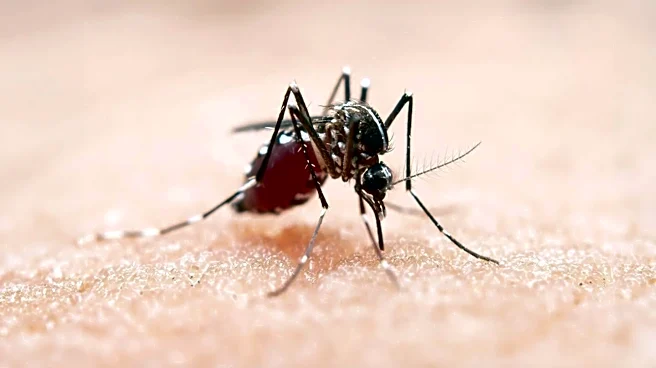
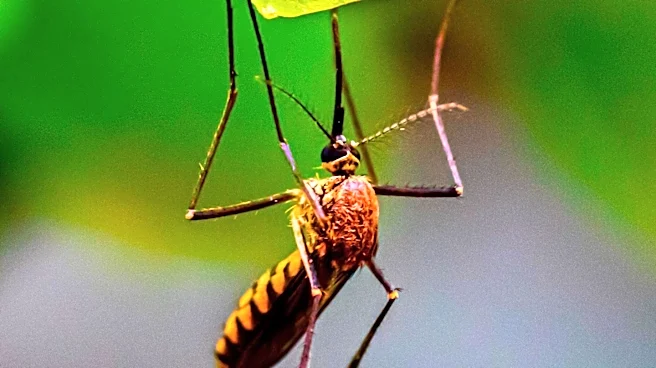
The Cowlitz County Mosquito Control District is actively working to minimize mosquito-borne diseases by reducing mosquito populations throughout the county. Their mission acknowledges that complete elimination of mosquitoes is impossible, but significant
reduction is achievable through targeted efforts. The district primarily focuses on larviciding, which involves treating areas where mosquitoes breed to reduce their numbers. Adult mosquito treatments are reserved for situations where public health is threatened by large populations causing extreme annoyance or carrying disease. The district also emphasizes public education, teaching residents how to prevent mosquito breeding on their properties and how to reduce mosquito bites. They work with the community to identify breeding sites and assist property owners in modifying areas to eliminate mosquito habitats. Regular checks of known breeding sites and treatment when larvae are present are key components of their strategy.
Why It's Important?
The efforts of the Cowlitz County Mosquito Control District are vital for public health and quality of life in the region. Mosquitoes are known vectors for various diseases, including West Nile Virus, and their unchecked proliferation can pose significant health risks to residents. By focusing on larviciding, the district employs a proactive and environmentally conscious approach, targeting mosquitoes at their earliest life stage before they can transmit diseases. The emphasis on public education empowers community members to participate in prevention, creating a more comprehensive and effective control strategy. This integrated pest management approach helps to reduce the burden on healthcare systems by preventing illnesses and improves the overall well-being of the community by minimizing nuisance mosquitoes. The district's policy of adult mosquito treatment only when public health is threatened demonstrates a balanced approach to pest control.
What's Next?
The Cowlitz County Mosquito Control District will continue its ongoing efforts to monitor mosquito populations, identify breeding sites, and apply larvicides. Public education campaigns will likely persist, encouraging residents to take preventative measures such as removing standing water and using repellents. The district will also continue to respond to reports of high mosquito activity, deploying adulticide treatments as necessary to protect public health. Collaboration with property owners and community groups will remain crucial for identifying and addressing mosquito breeding areas. Future initiatives might include exploring new technologies or methods for mosquito control, as well as adapting strategies based on environmental changes and disease prevalence. The district's success will depend on sustained community engagement and consistent application of its control measures.
Beyond the Headlines
The work of the Cowlitz County Mosquito Control District highlights the continuous battle against vector-borne diseases at the local level, a challenge that is increasingly influenced by broader environmental factors like climate change. While the district's mission is localized, its strategies reflect best practices in public health pest management. The balance between reducing mosquito populations and minimizing environmental impact through targeted larviciding is a critical aspect of modern pest control. This local effort also underscores the importance of community involvement in public health initiatives; individual actions, such as eliminating standing water, collectively contribute to a healthier environment. The district's approach serves as a microcosm of how communities across the U.S. must adapt and implement proactive measures to protect their populations from the evolving threats posed by disease-carrying insects.