






What's Happening?
The District of Columbia's Department of Public Works (DPW) will commence its leaf collection season on November 2, continuing through February 1. D.C. Mayor Muriel Bowser announced that city crews will make at least two passes on streets receiving city trash
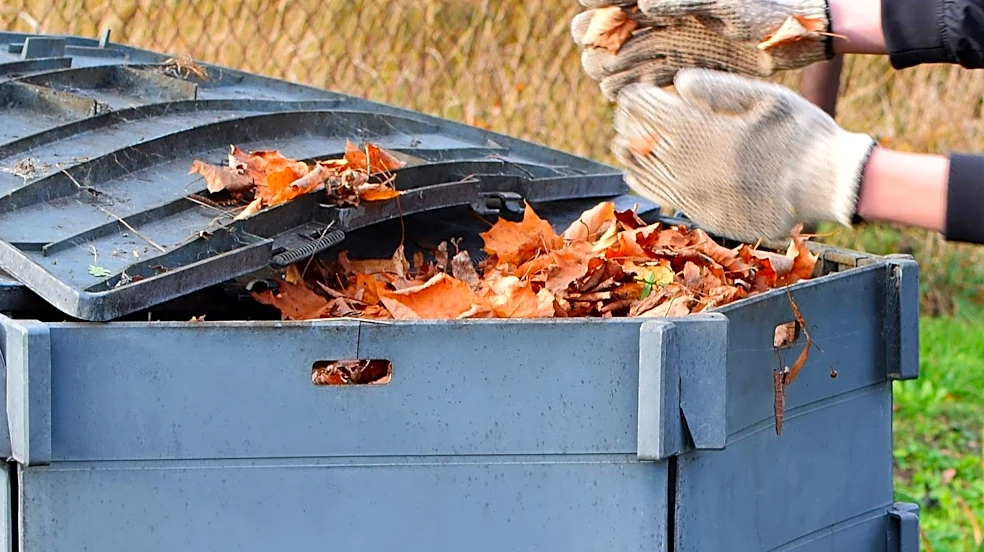
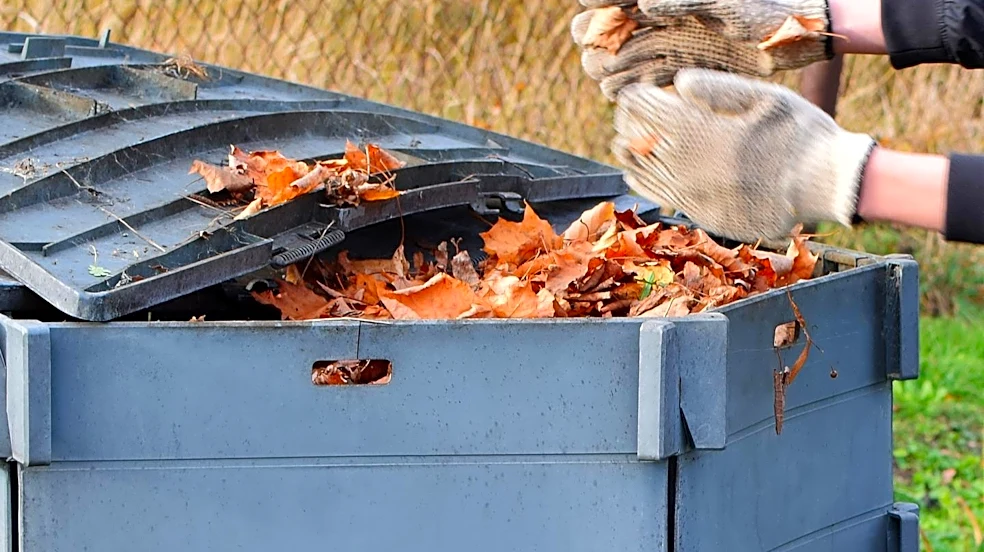
and recycling services. Residents will receive approximately 10 days' notice via mail before their scheduled collection week, with schedules also accessible through the MyDPW app, the DPW's online leaf collection tracker, or by calling the Leaf Line. Residents are instructed to rake leaves to the tree box, not the street, and to avoid using plastic bags; paper bags are acceptable. It is crucial to remove debris like sticks, bottles, cans, and toys from leaf piles and to keep cars away to allow equipment access. The initiative aims to prevent clogged storm drains, reduce localized flooding, and support the city's composting program, which processed over 5,000 tons of leaves last season, making the resulting compost available to residents for free. Interim DPW Director Chris Rodriguez noted the addition of new equipment, including a leaf vacuum and specialized sweepers for bike lanes, but warned that snow or ice events would temporarily divert crews to road clearing.
Why It's Important?
This annual leaf collection program is vital for urban infrastructure and environmental health in Washington D.C. By keeping leaves out of storm drains, the city mitigates the risk of flooding, which can cause significant property damage and disrupt daily life. The program's emphasis on composting aligns with broader sustainability goals, diverting organic waste from landfills and producing valuable soil amendments that benefit local green spaces and residents' gardens. This initiative also highlights the operational challenges faced by municipal services, balancing routine maintenance with emergency responses like snow removal. For residents, understanding and adhering to the collection guidelines is crucial for the program's efficiency and effectiveness, directly impacting neighborhood cleanliness and safety. The use of technology, such as the MyDPW app and online trackers, demonstrates an effort to enhance civic engagement and streamline public services, making it easier for residents to participate and stay informed.
What's Next?
Residents should monitor their mail and the MyDPW app for specific collection dates and prepare their leaves accordingly, ensuring they are raked to tree boxes without plastic bags or debris. The DPW will continue its collection efforts until February 1, with potential interruptions due to winter weather. The city will also continue to encourage residents to participate in its food waste collection program, including composting pumpkins and gourds, to further reduce organic waste. The compost generated from the collected leaves will be made available to residents for free, promoting local gardening and soil enrichment. The DPW will likely assess the efficiency of its new equipment and adjust future collection strategies based on this season's performance, continually aiming to improve service delivery and environmental outcomes.
Beyond the Headlines
Beyond the immediate benefits of flood prevention and composting, D.C.'s leaf collection program reflects a broader municipal commitment to urban ecological management and resource recovery. The transformation of fallen leaves into compost embodies circular economy principles, turning a seasonal waste product into a valuable resource. This not only reduces landfill burden but also enriches urban soils, potentially improving tree health and green infrastructure resilience. The program also serves as a subtle educational tool, encouraging residents to think about waste as a resource and to adopt more sustainable practices, such as composting food scraps. The logistical complexities of managing such a large-scale operation in a dense urban environment, including coordinating schedules, deploying specialized equipment, and adapting to weather conditions, underscore the intricate planning required for effective city services. This initiative is a tangible example of how local governments can implement practical, environmentally beneficial programs that directly impact the quality of life for their citizens.