


What's Happening?
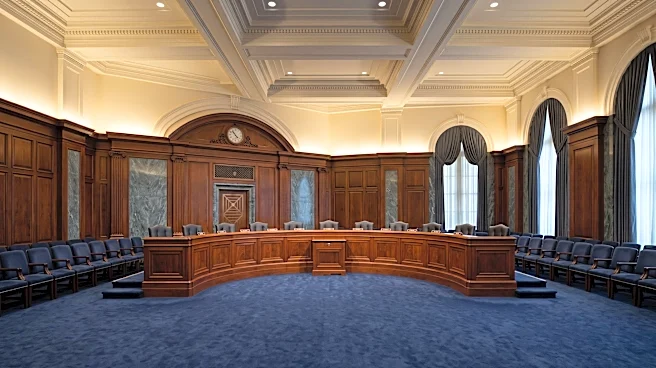
Saudi Foreign Minister Prince Faisal bin Farhan met with US Senate Foreign Relations Committee Chairman Jim Risch and Vice Chair Senator Jeanne Shaheen in Washington. The discussions focused on reviewing Saudi-US relations, areas of joint cooperation,
regional developments, and ongoing efforts to maintain security and stability in the region. This meeting underscores the continued diplomatic engagement between Saudi Arabia and the United States at a high level, involving key figures from the US legislative branch responsible for foreign policy. The Saudi delegation also included Saudi Ambassador to the United States Princess Reema bint Bandar and Special Envoy and Advisor to the Foreign Minister for Negotiations and Peace Efforts Manal Radwan, indicating the importance of these discussions for both nations.
Why It's Important?
This meeting is important as it signifies the ongoing strategic dialogue between the United States and Saudi Arabia, two nations with significant influence in global politics and energy markets. Discussions on bilateral ties and regional security are crucial for addressing shared challenges, including stability in the Middle East, counter-terrorism efforts, and economic cooperation. The involvement of Senate leaders, particularly from the Foreign Relations Committee, highlights the legislative branch's role in shaping and overseeing US foreign policy. Such engagements allow for direct communication on sensitive issues, fostering mutual understanding and potentially leading to coordinated actions on regional and international matters. The stability of the US-Saudi relationship has broad implications for global energy security and regional power dynamics.
What's Next?
While the immediate outcomes of this specific meeting were not detailed, such high-level diplomatic engagements typically lay the groundwork for future policy decisions and collaborative initiatives. Continued discussions between US and Saudi officials are expected to address evolving regional challenges, including potential peace efforts and security concerns. The exchange of views between the Saudi Foreign Minister and US Senate leaders could influence legislative considerations in the US regarding foreign aid, defense cooperation, and diplomatic strategies in the Middle East. Both nations will likely continue to monitor regional developments and adjust their cooperative efforts accordingly, with further meetings and consultations anticipated to solidify their strategic partnership.
Beyond the Headlines
Beyond the formal agenda, these meetings often serve to reinforce diplomatic channels and address underlying geopolitical shifts. The discussions on regional security likely touched upon complex issues such as the ongoing conflicts in the Middle East, the influence of various state and non-state actors, and the broader implications for global stability. The engagement with Senate leaders also provides an opportunity for Saudi Arabia to convey its perspectives directly to key US policymakers, potentially influencing congressional sentiment and future legislative actions. Conversely, US senators can articulate American interests and concerns, ensuring that the bilateral relationship remains aligned with US strategic objectives. This continuous dialogue is essential for managing a multifaceted relationship that encompasses economic, security, and political dimensions, often navigating complex and sometimes divergent interests.