





What's Happening?
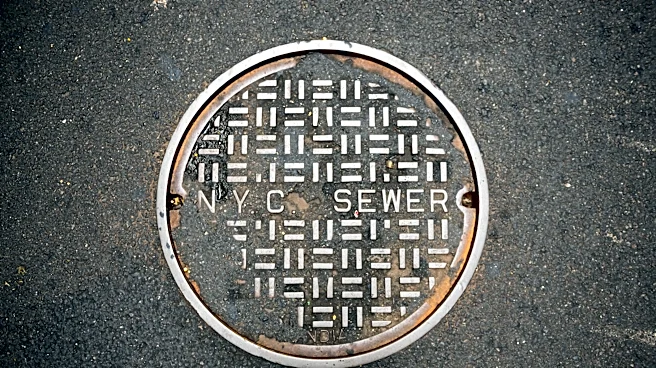
Recent surveillance footage has captured groups of individuals entering and exiting New York City's sewer system in Brooklyn and Queens. These activities have sparked an investigation by local authorities, although they do not currently believe there
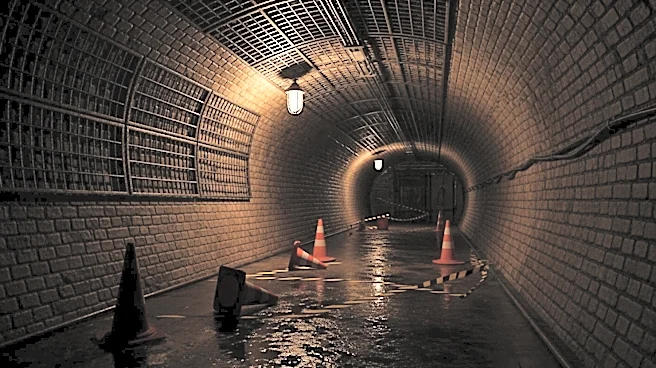
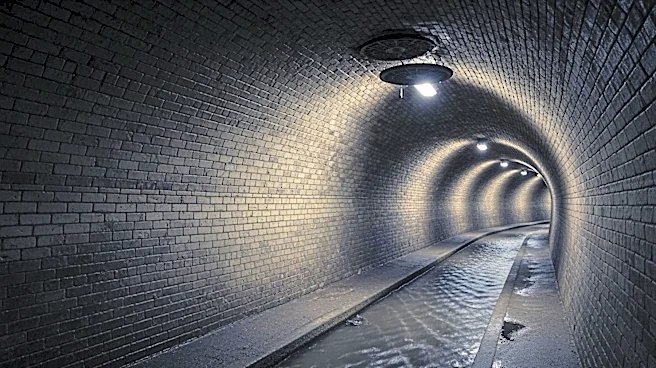
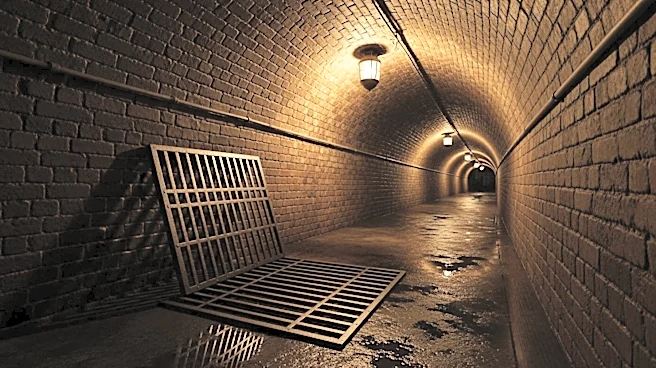
is any threat to public safety. The sewer system, which spans 7,400 miles, is illegal and dangerous to enter. Former urban explorer Steve Duncan, who has previously documented these tunnels, suggests that the individuals are likely explorers. The sewers, some dating back to the 19th century, are large enough for people to walk upright and feature historical architecture. Despite the allure, these environments pose significant health risks, including exposure to pathogens and dangerous gases.
Why It's Important?
The incidents highlight potential vulnerabilities in New York City's infrastructure. While the explorers may be motivated by curiosity, the ease of access to these tunnels raises security concerns. The sewer system could potentially be exploited for criminal activities, as it provides hidden entry and exit points. This situation underscores the need for enhanced security measures to protect critical infrastructure. Additionally, the health risks associated with exploring these environments emphasize the importance of public awareness and legal enforcement to prevent unauthorized access.
What's Next?
Authorities are likely to continue monitoring the situation and may increase security measures around access points to the sewer system. There could be discussions on how to better secure these areas to prevent unauthorized entry. Public awareness campaigns might be initiated to educate citizens about the dangers of entering the sewer system. The city may also consider technological solutions, such as surveillance enhancements, to detect and deter future unauthorized access.
Beyond the Headlines
The fascination with urban exploration reflects a broader cultural interest in uncovering hidden aspects of city life. This trend raises questions about the balance between curiosity-driven exploration and the need for safety and security. The historical significance of these underground spaces also highlights the ongoing relationship between urban development and natural environments, as many sewers trace the paths of former waterways.