


What's Happening?
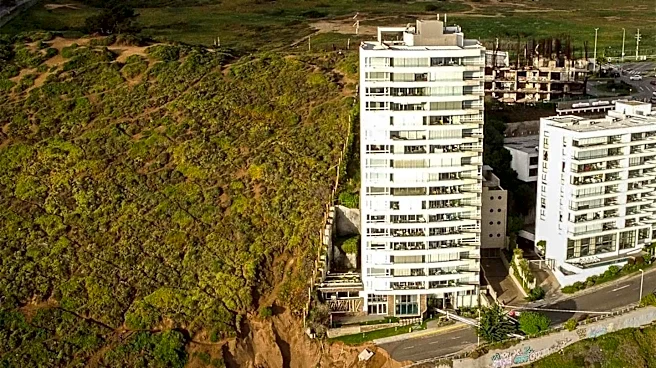
A significant sinkhole in Malibu, California, has led to the indefinite closure of public access to Lechuza Beach, a secluded area popular among locals. The sinkhole, located on E. Sea Level Drive, is also threatening a string of luxury homes in the area.
While the beach itself reportedly sustained minimal damage from recent storms, the instability above the beach has rendered street access unsafe. Public rights-of-way, including E. Sea Level Drive and the stairs at Bunnie Lane, are currently closed. The Mountains & Recreation Conservation Authority (MRCA) has stated that there is no safe access point from the street, though theoretical access by swimming from another location remains. The MRCA, which manages the site, cannot provide an estimated timeline for reopening due to the public hazards on adjacent land. This closure impacts a neighborhood known for its celebrity residents, including past occupants like Frank Sinatra and Dustin Hoffman, and current property owners like actor Nicolas Cage.
Why It's Important?
The indefinite closure of Lechuza Beach due to the Malibu sinkhole highlights the increasing vulnerability of coastal infrastructure and public access points in California to geological and weather-related events. This incident underscores the challenges faced by local authorities in balancing public safety with the preservation of recreational areas, especially in high-value real estate locations. The closure not only affects beachgoers who value the seclusion of Lechuza Beach but also raises concerns for homeowners whose properties are directly threatened by the sinkhole. The situation could lead to significant financial implications for property owners, potential legal disputes regarding access rights, and increased pressure on local government for long-term solutions to coastal erosion and geological instability. The incident also serves as a reminder of the ongoing impact of natural phenomena on developed coastal regions, potentially influencing future urban planning and environmental protection policies.
What's Next?
Authorities are currently conducting assessments to determine the extent of the damage and the necessary mitigation measures. The Mountains & Recreation Conservation Authority (MRCA) is taking the situation day by day and has not provided an estimated timeline for reopening public access to Lechuza Beach. The focus will likely be on stabilizing the sinkhole area and ensuring the safety of the luxury homes situated above the beach. This may involve geological surveys, engineering solutions, and potentially significant construction work. Stakeholders, including local residents, property owners, and environmental groups, will be closely monitoring the situation and advocating for solutions that address both safety and public access. The incident could also prompt discussions about the long-term sustainability of development in geologically active coastal zones and the need for more robust infrastructure to withstand natural events.
Beyond the Headlines
The Malibu sinkhole incident extends beyond immediate safety concerns, touching upon broader themes of environmental resilience, land use policy, and the socio-economic dynamics of coastal communities. The closure of a once-secret beach due to natural forces highlights the delicate balance between human development and the natural environment, particularly in desirable but geologically unstable areas. It also brings to light the ongoing tension between private property rights and public access to natural resources, a recurring issue in California's coastal regions. The long-term implications could include a re-evaluation of building codes and zoning regulations in high-risk areas, increased investment in coastal protection infrastructure, and a shift in public perception regarding the permanence of coastal amenities. The incident may also fuel discussions about the role of climate change and extreme weather events in exacerbating such geological phenomena, prompting a more proactive approach to environmental management and disaster preparedness.