







What's Happening?
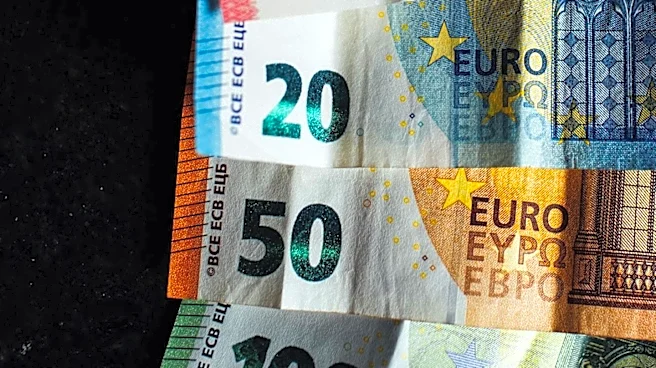
The European Commission has released €2.9 billion to Ukraine, marking the eighth disbursement under the Ukraine Facility. This funding is intended to support Ukraine's financial needs, maintain the functioning of its public administration, and aid in its defense
against ongoing aggression. The disbursement includes €800 million provided for the first time under the Ukraine Facility component of the Ukraine Support Loan. This payment follows Ukraine's successful implementation of reforms across various strategic sectors, including judiciary, financial markets, human capital, business environment, energy, transport, agriculture, and the green transition. The Council concluded that Ukraine fulfilled three reform steps linked to the eighth installment, one outstanding step from the fifth, three from the seventh, and three brought forward from the ninth installment. The Ukraine Facility, which entered into force on March 1, 2024, is the EU's primary financial support instrument for Ukraine, providing over €50 billion in grants and loans from 2024 to 2027.
Why It's Important?
This significant financial injection from the European Union is crucial for Ukraine's macro-financial stability and its ability to sustain public administration services amidst the ongoing conflict. The funding directly supports Ukraine's recovery and modernization efforts, which are vital for its long-term resilience and eventual post-war reconstruction. By tying disbursements to the successful implementation of reforms, the EU is not only providing financial aid but also incentivizing good governance and institutional strengthening in Ukraine. This approach helps ensure that the aid is used effectively and contributes to building a more robust and transparent Ukrainian state. The continued support also signals strong European solidarity with Ukraine, which can bolster international confidence and encourage further investment and assistance from other global partners. The reforms in sectors like judiciary and financial markets are foundational for creating a stable and attractive environment for future economic growth and integration with European standards.
What's Next?
For the remainder of 2026, Ukraine still has €33.7 billion available in financial support from the EU. This includes €29.3 billion from the Ukraine Support Loan, with €16.6 billion allocated for strengthening Ukraine's defense industrial capacity and €12.7 billion for budget support. Additionally, €4.4 billion in budget support remains available under the initial Ukraine Facility for this year. These funds are contingent on Ukraine's continued fulfillment of relevant conditions outlined in the Ukraine Plan and the Memorandum of Understanding. The timely implementation of these reforms and policy conditions, jointly agreed upon by the EU and Ukraine, will be key to ensuring subsequent disbursements proceed as planned. The European Commission remains committed to delivering the full €90 billion Ukraine Support Loan for 2026 and 2027, along with the remaining funds under the initial Ukraine Facility.
Beyond the Headlines
The EU's structured financial support, through mechanisms like the Ukraine Facility, extends beyond immediate aid by fostering deep-seated institutional reforms within Ukraine. This approach aims to align Ukraine's governance and economic structures with European standards, which is a critical step towards its potential future integration into the EU. The emphasis on reforms in areas such as the judiciary and business environment suggests a long-term vision for Ukraine's development, aiming to create a more resilient, transparent, and democratic society. This strategic investment not only helps Ukraine in its current conflict but also lays the groundwork for its post-war recovery and its role in the broader European economic and political landscape. The voluntary contributions from member states and third countries, such as Sweden and Norway, highlight a broader international commitment to Ukraine's stability and reform agenda, underscoring the geopolitical significance of these financial mechanisms.