




What's Happening?
The deadly H5 bird flu, which has caused widespread devastation among wildlife globally since 2021, is now actively spreading across Australia. The federal government has initiated vaccination plans for captive native bird species, and the Victorian government is vaccinating
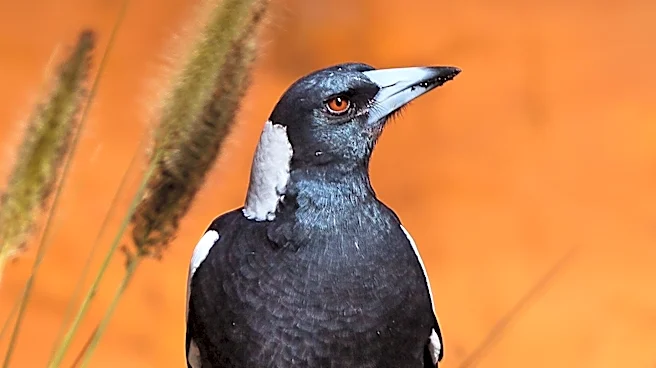
wild little penguins following detections on Phillip Island. The first confirmed H5 bird flu death in a little penguin on Phillip Island was recently announced. Experts are particularly concerned about several native Australian bird species, including the silver gull, white-bellied sea eagle, Australian fairy tern, Australian pelican, and black swan. These species are considered high-risk due to their behaviors, such as scavenging, congregating in large numbers, or lacking specific immune genes, which could lead to severe population declines and mass mortalities. The virus's presence in highly mobile species like gulls is seen as a significant factor in its potential widespread dissemination across the country.
Why It's Important?
The spread of H5 bird flu in Australia carries significant ecological and public impact. The potential for severe population reductions in iconic and vulnerable native bird species, such as the Australian fairy tern and black swan, could disrupt ecosystems and biodiversity. The silver gull, being highly mobile and frequently interacting with urban environments, could act as a major vector, bringing the virus closer to human populations and other animal species. The emotional and cultural impact on the Australian public is also considerable, as many of these birds are beloved and integral to the country's natural identity. The government's vaccination efforts for captive birds and wild penguins highlight the urgency and seriousness of the threat, indicating a proactive approach to mitigate the crisis and protect vulnerable wildlife populations from the devastating effects of the virus.
What's Next?
Authorities will likely continue to monitor the spread of H5 bird flu across Australia, expanding vaccination programs to other vulnerable captive and wild bird populations as needed. Research into the virus's impact on specific native species, particularly those identified as high-risk, will be crucial for developing targeted conservation strategies. Public awareness campaigns may be launched to inform citizens about the risks and what to do if they encounter sick or dead birds. The focus will remain on preventing further transmission, especially in areas where large bird colonies gather for breeding, as these locations present a high risk for mass mortalities. The long-term implications for bird populations and ecosystems will depend on the effectiveness of these containment and mitigation efforts.
Beyond the Headlines
The H5 bird flu outbreak in Australia underscores the broader challenges of managing global pandemics that affect wildlife. The virus's ability to evolve and spread across continents highlights the interconnectedness of ecosystems and the potential for zoonotic diseases to impact diverse species. The varying susceptibility among bird species, such as the black swan's lack of specific immune genes, offers insights into evolutionary biology and disease resistance. This situation also raises ethical considerations regarding intervention in wild populations, balancing conservation efforts with the natural dynamics of disease. The long-term ecological shifts resulting from significant bird population declines could have cascading effects on food webs and environmental health, emphasizing the need for comprehensive, interdisciplinary approaches to wildlife health and conservation.