
What's Happening?
The Trump administration has significantly reduced funding for infrastructure projects aimed at upgrading aging sewer systems in economically disadvantaged communities. This decision affects numerous areas,
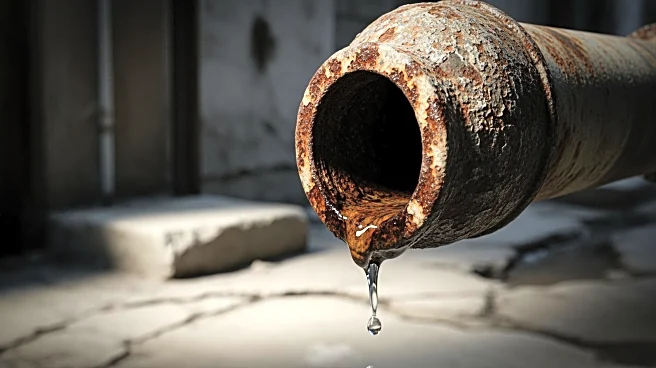
including Cahokia Heights, Illinois, where residents face recurring floods and sewage overflows. The cuts have eliminated grants and loans initially promised under the Biden administration's infrastructure initiatives, which aimed to address racial and economic disparities. The Environmental Protection Agency's Environmental Justice office, which supported these projects, has also been dismantled. The funding cuts have left many communities struggling to manage deteriorating wastewater systems, posing health risks and environmental challenges.
Why It's Important?
The reduction in federal support for infrastructure improvements in underserved areas highlights ongoing debates about the role of government in addressing economic and racial inequalities. The decision to cut funding could exacerbate existing disparities, leaving vulnerable communities without the necessary resources to maintain essential services. This move may also have broader implications for public health and environmental justice, as inadequate wastewater management can lead to significant health risks. The situation underscores the challenges faced by local governments in securing funding for critical infrastructure projects, particularly in areas with limited financial resources.
What's Next?
The affected communities may need to seek alternative funding sources or advocate for policy changes to restore federal support. The ongoing discussions in Congress about infrastructure funding could influence future allocations, potentially leading to a compromise that balances federal oversight with local needs. Advocacy groups and local leaders are likely to continue pushing for recognition of the unique challenges faced by disadvantaged communities, emphasizing the need for targeted support to address systemic inequalities.