





What's Happening?
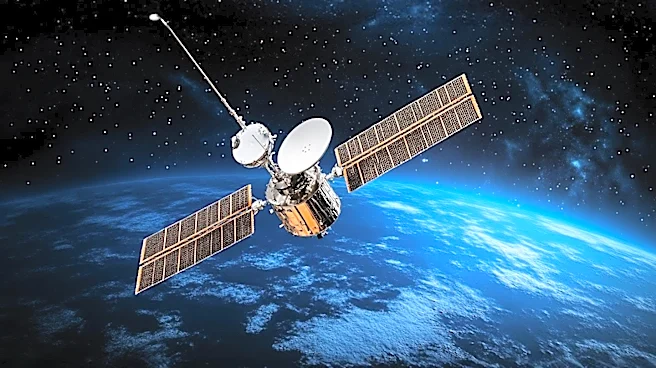
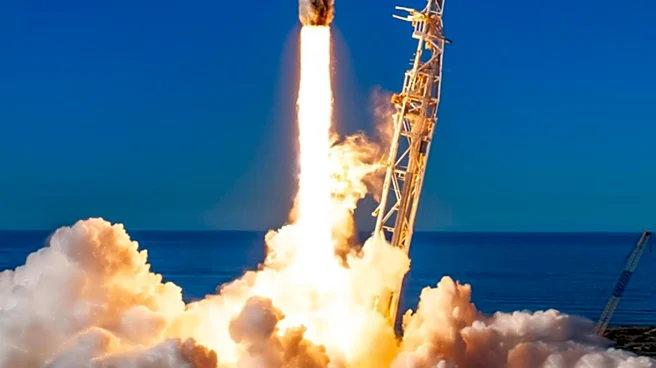
Chinese space company Orienspace has successfully launched its Gravity-1 rocket from a sea-based platform in the East China Sea. The Gravity-1, noted as the world's most powerful solid-fuel rocket, is capable of carrying a 6.5-tonne payload. This launch marks
the third successful mission since 2024, with the rocket carrying nine satellites into sun-synchronous orbit. The launch site was located approximately 30-40 nautical miles off the coast of Shanghai. Orienspace plans to develop a liquid-fueled central booster to enable partial reuse of the rocket, aiming to reduce launch costs.
Why It's Important?
The successful launch of the Gravity-1 rocket from a sea-based platform represents a significant advancement in space technology and commercial space operations. By utilizing a sea-based platform, Orienspace can potentially reduce costs and increase flexibility in launch operations. This development could enhance China's position in the global space industry, offering competitive commercial launch services. The ability to launch from sea also reduces geopolitical constraints and allows for more strategic positioning of launch sites, which could be advantageous for both commercial and governmental space missions.
What's Next?
Orienspace's next steps involve developing a liquid-fueled central booster to enable partial reuse of the Gravity-1 rocket. This innovation is crucial for reducing the cost per launch and increasing the competitiveness of their services. The company may also explore further advancements in sea-based launch technology, potentially expanding their market share in the global space industry. As Orienspace continues to innovate, other space companies may also look to adopt similar technologies, potentially leading to a shift in how commercial space launches are conducted.
Beyond the Headlines
The use of sea-based platforms for rocket launches could have broader implications for international space policy and maritime regulations. As more companies explore this technology, there may be a need for new international agreements to manage sea-based launch operations and ensure safety and environmental protection. Additionally, the success of Orienspace's sea-based launches could inspire other countries to invest in similar technologies, potentially leading to increased competition and collaboration in the global space industry.