





What's Happening?
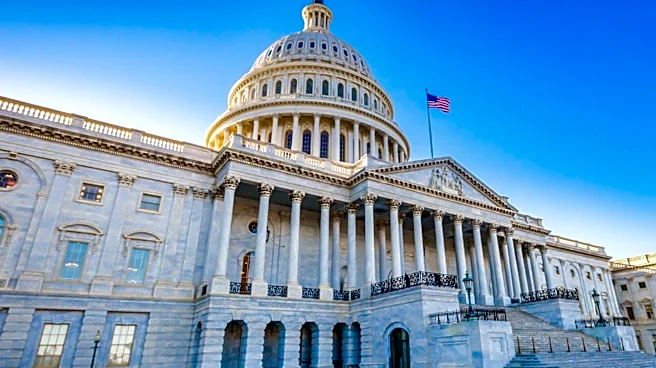
One year after Congress eliminated $535 million in federal funding for public media, the sector is grappling with significant financial challenges. The loss of funding from the Corporation for Public Broadcasting has forced public media organizations,
including NPR and PBS, to seek alternative revenue sources. While some stations have managed to offset the loss through increased donations, the sustainability of this support is uncertain. Smaller stations, particularly in rural areas, have been hit hardest, losing substantial portions of their revenue. Efforts are underway to stabilize the network through initiatives like the Public Media Bridge Fund, which has distributed $26 million to support vulnerable stations. However, the public media landscape remains under threat from state-level funding cuts and declining broadcast audiences.
Why It's Important?
The defunding of public media has broader implications for the U.S. media landscape. Public media plays a crucial role in providing high-quality, free information, especially in underserved areas. The financial strain could lead to reduced coverage and accessibility, impacting communities that rely on these services for news and educational content. The shift towards digital platforms is necessary but requires significant investment in technology and infrastructure. The situation highlights the vulnerability of public media to political and economic pressures, raising concerns about the future of independent journalism in the U.S.
What's Next?
Public media organizations are exploring new revenue models and partnerships to ensure sustainability. The focus is on digital transformation to reach audiences beyond traditional radio and television. Mergers and collaborations are being considered to consolidate resources and expand reach. The outcome of these efforts will determine the ability of public media to adapt and thrive in a changing media environment. Stakeholders, including state governments and universities, will play a critical role in shaping the future of public media through funding decisions and policy support.