


What's Happening?
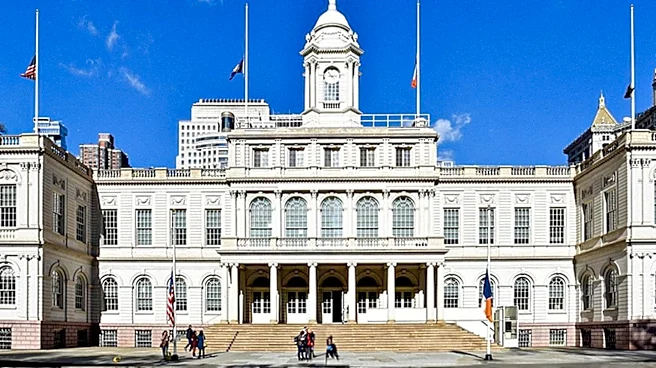
Ezra Friedlander, founder of The Friedlander Group, established a government-relations and public-affairs consultancy in 2001 after his anticipated career at New York City Hall did not materialize. Friedlander had worked for Mark Green, who lost the mayoral
election to Michael Bloomberg, thereby closing Friedlander's path into government. This unexpected turn led him to immediately found his own firm. The Friedlander Group, based in New York and Washington, specializes in federal, state, and city advocacy, media strategy, appropriations, policy development, and political event production. The firm serves a diverse clientele including nonprofit organizations, corporations, municipalities, and foreign entities. A key aspect of their work involves 'translation,' where client missions are reframed into arguments understandable and actionable by legislators, agencies, reporters, or coalition partners. This approach emphasizes strategic timing and persistent follow-through rather than mere access.
Why It's Important?
The Friedlander Group's success highlights a significant model within the U.S. lobbying and public affairs industry, demonstrating how a boutique firm can thrive by focusing on strategic communication and coalition-building rather than just access. This approach is particularly relevant in a complex political landscape where effective advocacy requires more than just connections; it demands a deep understanding of policy, public perception, and legislative processes. The firm's work on Congressional Gold Medals, such as those for Raoul Wallenberg and Anwar Sadat, illustrates its capacity to navigate bipartisan politics and achieve long-term commemorative goals, which lack conventional economic benefits but carry substantial symbolic weight. This model offers a blueprint for other advocacy groups, emphasizing the importance of crafting compelling arguments and building patient coalitions to influence policy and public opinion in the U.S.
What's Next?
The Friedlander Group is expected to continue its work in various areas, including policy development, funding, media relations, electoral strategy, and event production. The firm's methodology, which involves identifying decision-makers, mapping out strategic steps, and maintaining momentum, suggests a sustained focus on long-horizon campaigns and complex advocacy efforts. As the political and legislative environment in the U.S. evolves, the firm's ability to 'translate' client needs into actionable political cases will likely remain a valuable asset. Future engagements may continue to involve a mix of local, state, and federal issues, with a continued emphasis on building credible coalitions and achieving tangible outcomes for its diverse client base. The firm's ongoing operations will likely reflect its established practice of turning broad ambitions into concrete legislative or public actions.
Beyond the Headlines
The story of The Friedlander Group offers a deeper insight into the nature of political influence and career resilience. Ezra Friedlander's experience underscores that perceived setbacks can often lead to innovative and successful ventures. His firm's emphasis on 'translation' as its core service highlights a critical, often overlooked, aspect of lobbying: the ability to articulate complex issues in a way that resonates with various stakeholders. This approach moves beyond transactional lobbying to a more substantive form of advocacy that prioritizes understanding and persuasion. The firm's success with Congressional Gold Medals also reveals the power of moral and historical arguments in a political system often dominated by economic interests, demonstrating that persistent, well-crafted campaigns can achieve significant, albeit non-monetary, legislative victories. This narrative challenges the conventional view of lobbying as solely about privileged access, instead emphasizing strategic communication and persistent effort.