



What's Happening?
Supreme Allied Commander of Europe, General Alexus Grynkewich, has raised alarms over the increasing joint military activities by China and Russia in the Arctic region. Speaking at Sweden’s National Security Conference, Grynkewich highlighted that these
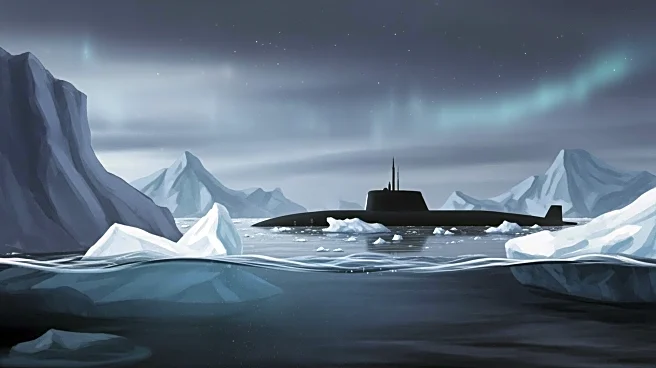
nations are extending their patrols from the Russian northern coast to areas north of Alaska and near Canada. He emphasized that these activities are not for peaceful purposes, as they involve bathymetric surveys aimed at countering NATO capabilities on and under the sea. These surveys, which map the ocean floor, have significant military applications, including submarine navigation and planning for undersea infrastructure. Grynkewich noted that while the joint patrols are increasing, an immediate threat to NATO territory is unlikely due to Russia's current military focus on Ukraine.
Why It's Important?
The joint military activities by China and Russia in the Arctic represent a strategic challenge for NATO and the United States. The Arctic is becoming a focal point for great power competition, which could have implications for national security and global stability. The militarization of the region and the collaborative opposition to Western interests by Russia and China could potentially escalate tensions. This development underscores the need for NATO and the U.S. to reassess their defense policies and alliance coordination to address the evolving security dynamics in the Arctic. The situation also highlights the importance of maintaining strong alliances, as emphasized by NATO and experts like Nicholas Burns, who advocate for collaborative efforts to counter these strategic moves.
What's Next?
The increasing military activities in the Arctic by China and Russia are likely to influence future U.S. and NATO defense strategies. As the competition for strategic control in the region intensifies, NATO may need to enhance its presence and capabilities in the Arctic. This could involve increased military exercises, surveillance, and collaboration with Arctic nations, most of which are NATO members. The evolving situation may also prompt diplomatic efforts to address the security concerns and prevent further escalation. The U.S. and its allies will need to closely monitor the developments and adapt their strategies to ensure regional stability and security.