

What's Happening?
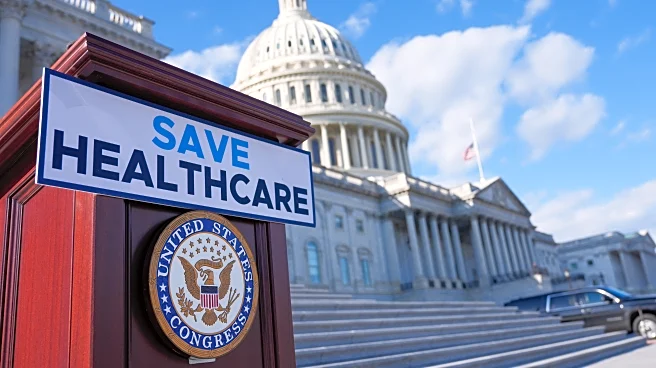
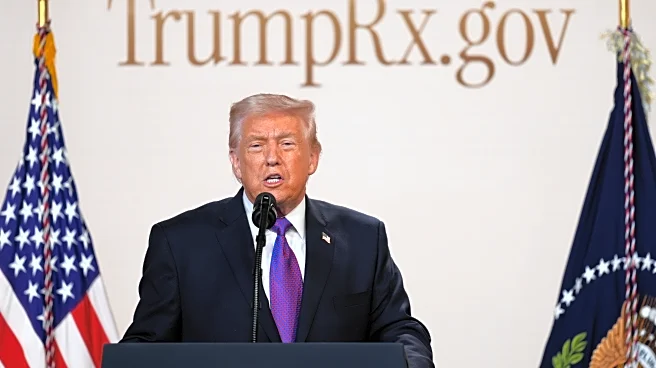
President Donald Trump has announced a new health care plan aimed at addressing the rising costs of health care and insurance premiums. The plan, which he wants Congress to consider, includes measures to lower drug prices by tying them to the lowest prices paid
by other countries. A key feature of the proposal is the direct allocation of funds to Americans for health savings accounts, allowing them to manage their insurance independently of the federal government. This approach has been met with criticism from Democrats, who argue that it is insufficient to cover the high costs of health care. The plan also seeks to reduce premiums by fully funding cost-sharing reductions (CSRs) for low-income enrollees in mid-tier 'Obamacare' plans. Previously, the federal government reimbursed insurers for CSRs until the payments were halted in 2017, leading to increased premiums for silver-level plans. The proposal is similar to one previously discussed by Republican senators, but it remains unclear if any lawmakers are currently working to introduce it.
Why It's Important?
The proposed health care plan is significant as it attempts to address the ongoing issue of rising health care costs, which have been a major concern for both consumers and policymakers. By proposing to lower drug prices and fund health savings accounts, the plan aims to provide Americans with more control over their health care expenses. However, the plan's reliance on health savings accounts has been criticized for potentially being inadequate for covering the full costs of health care, particularly for low-income individuals. The plan's impact on insurance premiums is also a critical factor, as restoring CSR payments could lower premiums for some plans but inadvertently increase them for others. The proposal highlights the ongoing debate between Republicans and Democrats over the best approach to health care reform, with potential implications for millions of Americans who rely on affordable health care coverage.
What's Next?
The future of President Trump's health care plan depends on its reception in Congress, where it may face significant opposition from Democrats. The plan's success will likely hinge on bipartisan negotiations, particularly concerning the extension of subsidies and the implementation of health savings accounts. Senator Bernie Moreno, R-Ohio, is leading a bipartisan effort to extend subsidies while introducing new limits on eligibility, which could influence the plan's development. As lawmakers consider the proposal, stakeholders such as insurance companies, health care providers, and consumer advocacy groups will likely weigh in on its potential impact. The outcome of these discussions will determine whether the plan can gain the necessary support to be enacted, potentially shaping the future of health care policy in the United States.