



What's Happening?
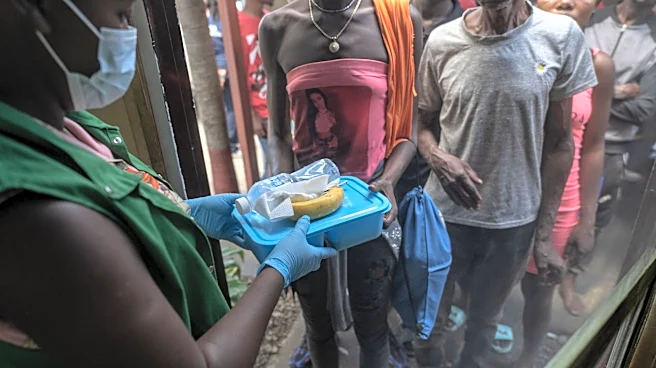
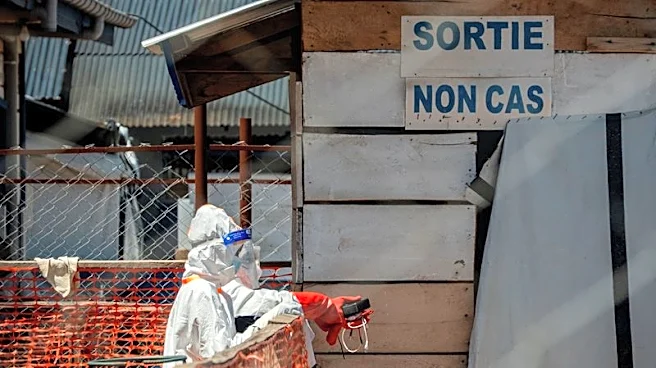
Officials at Caritas Congo Asbl, the Catholic Church's humanitarian and development organization in the Democratic Republic of the Congo (DRC), have called on governments and aid agencies to maintain assistance for communities grappling with displacement,
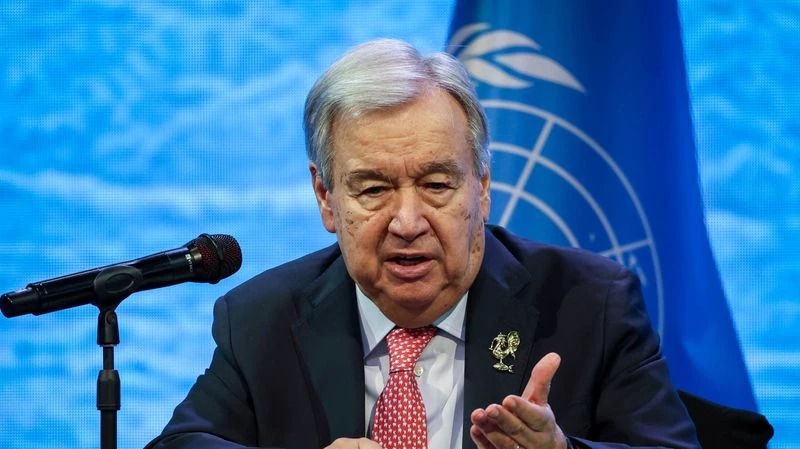
insecurity, and cholera. This plea comes as efforts to contain an ongoing Ebola outbreak continue in the Central African nation. During a United Nations (UN) briefing in Geneva, a Caritas Internationalis official emphasized the need to ensure that the Ebola response does not overshadow other critical needs and crises affecting the same populations. The official also urged the Congolese government and the UN to enhance collaboration with local and faith-based organizations, granting them a formal role in response plans, particularly in preventing infection and guiding communities on public health measures.
Why It's Important?
This call to action from Caritas Congo highlights a critical challenge in international humanitarian aid: the risk of single-crisis focus overshadowing other pressing issues. For U.S. and international aid agencies, this underscores the necessity of comprehensive and integrated humanitarian strategies that address multiple, co-occurring crises. Neglecting issues like cholera and insecurity, even while responding to Ebola, can lead to a deterioration of overall public health and stability, potentially creating new humanitarian emergencies. The emphasis on empowering local and faith-based organizations is crucial, as these groups often have deep community ties and a better understanding of local needs, making aid delivery more effective and sustainable. This approach can also improve the efficiency of U.S. foreign aid by ensuring resources are channeled through trusted local partners, maximizing impact and fostering long-term resilience in affected regions.
What's Next?
Caritas Congo's recommendations include a call for predictable funding that local organizations can access to care for those affected by Ebola and to protect their communities from other threats. Given the recurring nature of Ebola outbreaks in the DRC, the agency also urged investment in infrastructure that can serve communities beyond immediate emergency responses. This suggests a shift towards long-term development and preparedness, rather than solely reactive interventions. The appeal for greater collaboration between international bodies and local organizations could lead to revised aid distribution models and increased capacity building at the grassroots level. Future discussions at the UN and among donor nations will likely address these concerns, potentially influencing funding allocations and operational strategies for humanitarian efforts in the DRC and similar complex emergency environments.