



What's Happening?
Residents of a Holly Springs neighborhood are challenging Duke Energy's decision to deny reimbursement claims following a power surge in June that reportedly damaged appliances and electrical systems in at least 30 homes. The incident occurred along Climbing
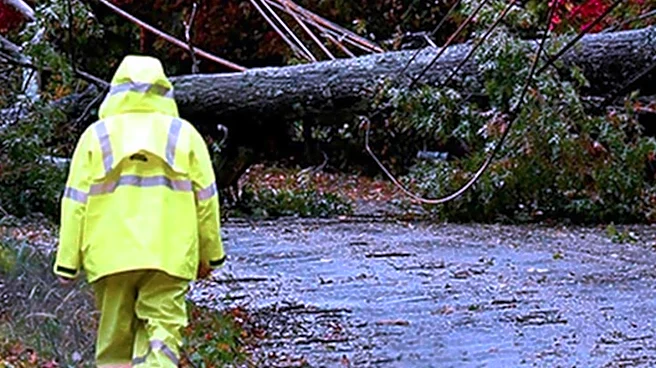
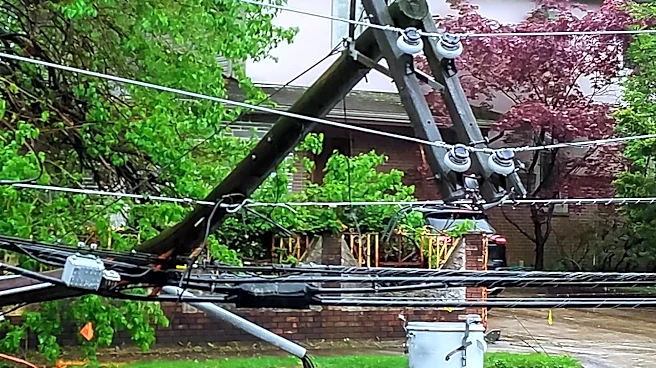
Tree Trail in the 12 Oaks Neighborhood after a power outage. Homeowners described hearing sounds like 'gunfire' and seeing smoke in their homes when electricity was restored. Damaged items included garage door openers, refrigerators, pool equipment, and electrical panels. While residents were initially told by a Duke Energy employee that a less experienced lineman reconnected power without realizing a tree had fallen on a line, Duke Energy later stated that its investigation concluded the outage was caused by a tree falling from outside the utility's right-of-way maintenance area. The company asserts that the conditions were beyond its control and therefore it is not responsible for the damages, advising customers to seek reimbursement through their insurance.
Why It's Important?
This situation highlights a significant consumer protection issue and the complexities surrounding utility company liability for service disruptions. For the affected homeowners, the denial of claims means substantial out-of-pocket expenses for repairs and replacements, potentially impacting their financial stability. The dispute also raises questions about the transparency and fairness of utility company investigations into such incidents. If Duke Energy's stance prevails, it could set a precedent where consumers bear the financial burden of damages even when there are questions about the utility's operational procedures during power restoration. This could lead to increased insurance premiums for homeowners or leave them without recourse for damages caused by power infrastructure issues, potentially eroding public trust in utility providers and their accountability.
What's Next?
The Holly Springs homeowners are continuing to seek reimbursement and a definitive explanation for the power surge. Some residents have reached out to consumer advocacy groups, such as '5 On Your Side,' after learning of a previous case where Duke Energy reimbursed families for a separate power surge incident. The residents dispute Duke Energy's conclusion regarding responsibility, indicating that the precise cause of the surge remains contested and would require technical evidence to establish. This suggests a potential for further legal or regulatory action if a resolution is not reached. Duke Energy will likely maintain its position based on its internal investigation, while homeowners may explore options such as small claims court, class-action lawsuits, or appeals to state utility commissions to challenge the denials and seek compensation.
Beyond the Headlines
Beyond the immediate financial impact on homeowners, this incident touches upon broader issues of infrastructure resilience and consumer rights in the face of utility service failures. The alleged involvement of a 'less experienced lineman' and the subsequent denial of claims by Duke Energy could point to potential gaps in training protocols or emergency response procedures within utility companies. This raises ethical considerations about corporate responsibility versus external factors in service delivery. Furthermore, the reliance on individual homeowner insurance for such damages could shift the financial burden from utility companies to the insurance sector and ultimately to policyholders through higher premiums. This event underscores the need for clear regulatory frameworks that define utility accountability and provide accessible avenues for consumers to seek redress in similar situations, potentially influencing future policy discussions on utility oversight and consumer protection.