



What's Happening?
The United Kingdom has unveiled a new Arctic Strategy that significantly enhances its military presence and cooperation with Nordic NATO members. This strategy commits to doubling the number of British troops training in Norway to 2,000 by 2029. This move
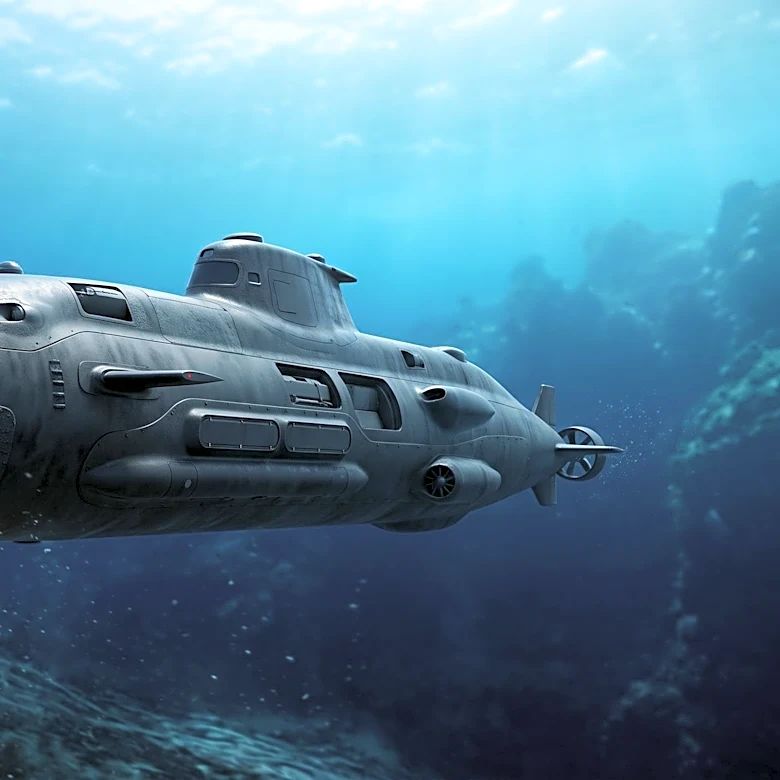
is part of a broader effort to strengthen deterrence and interoperability with NATO partners in the Arctic region. The UK's increased focus on Northern Europe is also reflected in the Royal Marines' deployment to Norway, which was expanded to a year-round commitment in January. This strategic shift comes in response to Russia's establishment of new Arctic commands and military bases over the last decade, and the effective collapse of communication lines between NATO and Russian forces in the region since Russia’s 2022 full-scale invasion of Ukraine. The strategy also aligns with the UK's reorientation to Europe as outlined in its 2025 Strategic Defence Review, building on existing commitments to air policing over Iceland, maritime patrols, and under-ice submarine deployments.
Why It's Important?
The UK's new Arctic Strategy signifies a critical recalibration of its defense priorities, directly impacting the security landscape of Northern Europe and the broader NATO alliance. By doubling troop training in Norway and committing to year-round presence, the UK is enhancing its ability to operate in extreme cold-weather environments and improving interoperability with key NATO allies like Norway, Sweden, and Finland. This increased military presence and training are crucial for strengthening deterrence against potential Russian aggression in the Arctic, a region of growing geopolitical importance due to its strategic waterways and natural resources. The strategy underscores a shift from a 'low tensions' approach to one focused on deterrence and warfighting readiness, reflecting the heightened security concerns following Russia's actions in Ukraine. For the United States, this development means a more capable and integrated European pillar within NATO, sharing the burden of collective defense and contributing to a more robust allied posture in a strategically vital region.
What's Next?
The implementation of the UK's new Arctic Strategy will involve a phased increase in troop deployments and training exercises in Norway, leading to the target of 2,000 troops by 2029. This will likely necessitate increased logistical support, infrastructure development, and specialized equipment for Arctic operations. NATO as a whole is expected to continue its intensified activities in the region, including joint exercises and intelligence sharing, to further enhance collective defense capabilities. The strategy's emphasis on interoperability will drive efforts to standardize procedures and equipment among allied forces. Furthermore, the UK's reorientation towards Europe in its defense review suggests a sustained commitment to strengthening its role within European security frameworks. This could lead to further defense cooperation initiatives with other European NATO members, potentially influencing broader alliance strategies for the Arctic and the 'Wider North' in the coming years.
Beyond the Headlines
Beyond the immediate military implications, the UK's Arctic Strategy highlights the complex interplay between climate change, geopolitical tensions, and security. The melting Arctic ice opens new sea lanes and access to resources, creating both economic opportunities and potential flashpoints for conflict. The strategy's recognition of climate change as a central challenge, while simultaneously pursuing increased military presence and resource exploration, reveals an inherent tension. This dual focus raises questions about the long-term environmental impact of intensified military and industrial activity in a fragile ecosystem. The strategy also implicitly acknowledges the importance of multilateral governance and international rules in managing competition for critical minerals, aiming to prevent a free-for-all in the region. Ultimately, the success of this strategy will depend not only on military strength but also on careful policy design that balances defense needs with environmental protection and meaningful engagement with Arctic communities, including indigenous populations, to ensure sustainable security in a rapidly changing environment.