




What's Happening?
The Environmental Protection Agency (EPA) has experienced a significant increase in litigation as the U.S. government rolled back key climate laws during President Trump's administration. This surge in legal challenges coincided with a notable decline
in the agency's enforcement activities. The rollback of climate regulations, which were initially designed to mitigate air pollution and address environmental concerns, has led to heightened scrutiny and legal actions against the EPA. The agency's reduced enforcement efforts have raised concerns about its ability to effectively regulate and protect the environment.
Why It's Important?
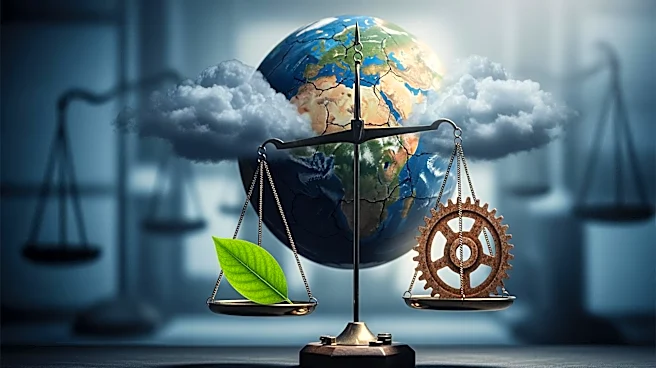
The rollback of climate regulations and the subsequent increase in litigation against the EPA have significant implications for environmental policy and public health in the United States. The reduction in enforcement activities may lead to increased pollution levels, potentially affecting air quality and public health. This situation underscores the tension between regulatory agencies and the administration's policy priorities, highlighting the challenges in balancing economic interests with environmental protection. The legal challenges faced by the EPA could also set precedents for future regulatory actions and influence the agency's approach to environmental governance.
What's Next?
As the EPA continues to navigate the legal landscape, it may face additional challenges in implementing and enforcing environmental regulations. The outcome of ongoing and future litigation could impact the agency's ability to uphold environmental standards and influence policy decisions. Stakeholders, including environmental advocacy groups and industry representatives, are likely to remain engaged in the legal and regulatory processes, potentially shaping the future direction of U.S. environmental policy.
Beyond the Headlines
The increased litigation against the EPA highlights broader issues related to environmental governance and the role of federal agencies in addressing climate change. The rollback of climate rules under President Trump's administration reflects a shift in policy priorities that may have long-term implications for environmental sustainability and regulatory frameworks. This situation also raises questions about the effectiveness of current legal mechanisms in holding agencies accountable and ensuring compliance with environmental standards.