



What's Happening?
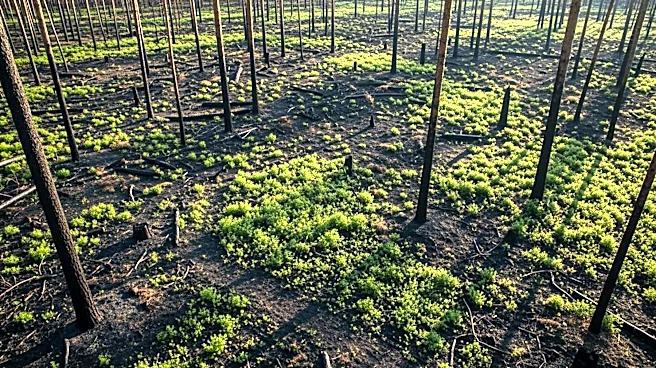
A wildfire on Santa Rosa Island, part of California's Channel Islands National Park, has burned approximately one-third of the island, causing significant ecological damage. The fire, which is the largest recorded on the island, has affected rare and threatened
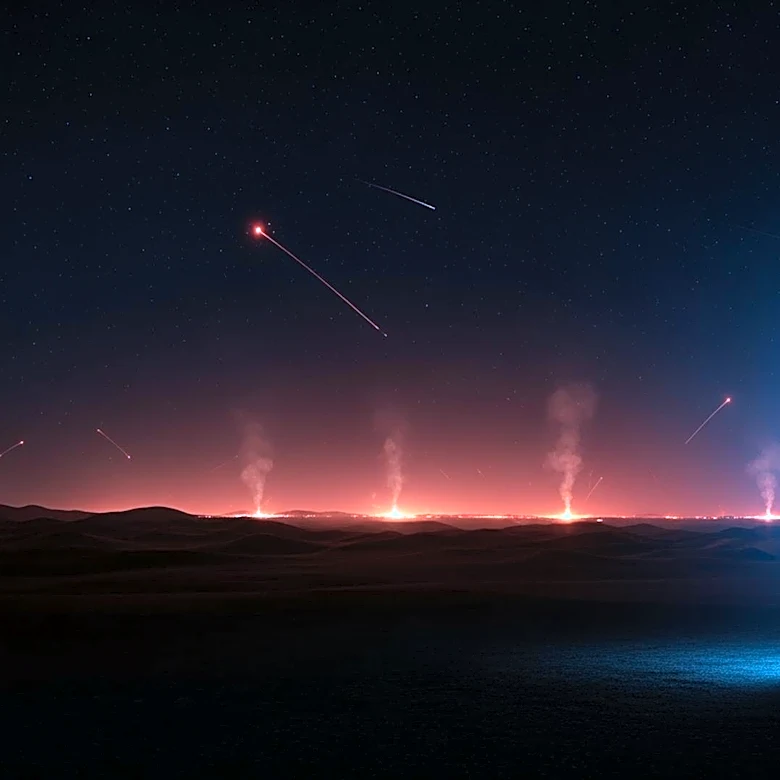
species and unique ecosystems not adapted to fire. The blaze was reportedly sparked by a sailor who crashed his boat and fired flares for help. Fire crews faced challenging conditions, including strong winds and difficult terrain, which hampered firefighting efforts. Restoration efforts are now focused on protecting the island's unique wildlife and cultural sites.
Why It's Important?
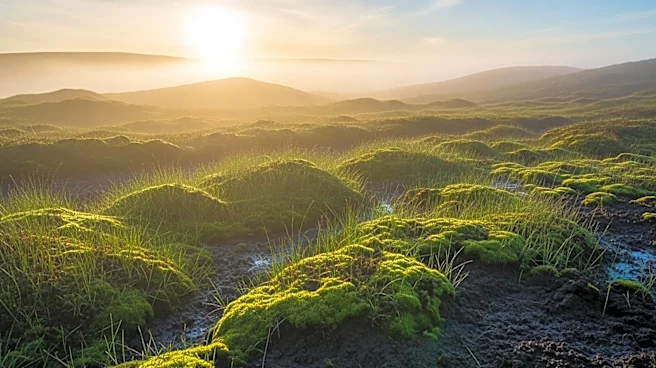
Santa Rosa Island is home to rare species and cultural sites, making the fire's impact particularly concerning. The island's ecosystems are not fire-adapted, meaning recovery could be slow and complex. The incident highlights the vulnerability of such unique environments to wildfires, which are becoming more frequent and severe due to climate change. The fire also underscores the need for effective fire management and restoration strategies to preserve biodiversity and cultural heritage in sensitive areas.
What's Next?
Restoration efforts will involve fire severity analyses and long-term monitoring to understand ecosystem responses. Burned Area Emergency Response (BAER) specialists will assess soil stability, hydrological changes, and threats to cultural and natural resources. The focus will be on minimizing further damage during recovery and developing strategies to protect the island's unique habitats. The incident may prompt discussions on improving fire prevention and response strategies in similar environments.