


What's Happening?
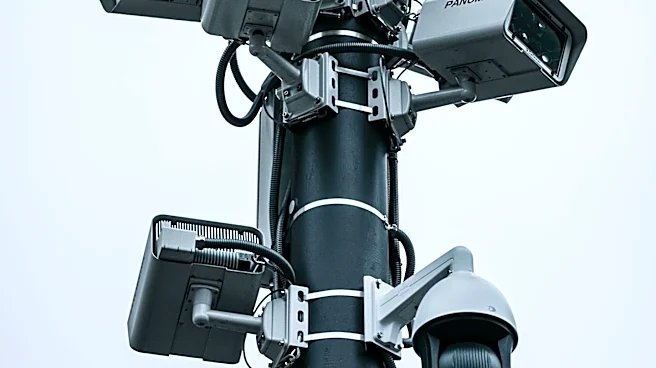
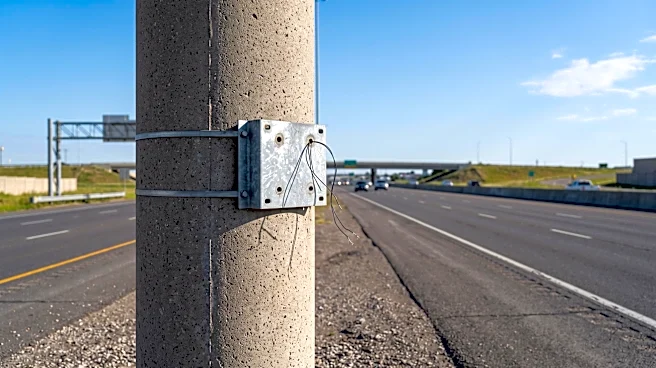
Florida Governor Ron DeSantis has issued an order for the Florida Department of Transportation to remove license plate readers from all state rights of way within one month. This directive comes after a Palm Coast woman, Lindsey Isaacs, was wrongly arrested
and jailed for 13 days based on data collected by a 'Flock camera' (an automated license plate reader). Isaacs testified before the Senate Judiciary Committee, detailing how information from the camera, which captured her vehicle near a crash scene, led to her arrest on three counts of vehicular homicide, despite evidence that later refuted her involvement. The 30-day timeframe for removal is set to conclude next week. This action by Governor DeSantis highlights growing concerns regarding privacy and the potential for misuse of data collected by such surveillance technology.
Why It's Important?
The Governor's order to remove license plate readers from state rights of way is a significant move impacting privacy rights and the use of surveillance technology in Florida. The case of Lindsey Isaacs underscores the critical flaws and potential for wrongful arrests when law enforcement relies heavily on automated data without thorough investigation. This decision could set a precedent for other states grappling with similar issues, prompting a reevaluation of how such technologies are deployed and regulated. For citizens, it signifies a step towards greater protection against unwarranted surveillance and potential misidentification. For law enforcement, it necessitates a review of investigative protocols to ensure that technology serves as an aid rather than a sole determinant in criminal cases, emphasizing the need for human oversight and verification.
What's Next?
Following Governor DeSantis's order, the Florida Department of Transportation is expected to complete the removal of license plate readers from state rights of way by next week. The broader implications of this decision will likely fall to the state legislature and the next governor to establish comprehensive regulations for the future use of license plate readers. Both major party candidates for governor, Democrat David Jolly and Republican Byron Donalds, have already expressed concerns about Floridians' right to privacy concerning these cameras, indicating that this issue will remain a key topic in future political discussions and policy-making. The Senate Judiciary Committee's hearing on this matter suggests a national conversation may also be emerging regarding the balance between public safety and individual privacy in the age of advanced surveillance technology.
Beyond the Headlines
The removal of license plate readers from state rights of way in Florida touches upon deeper ethical and legal considerations surrounding the pervasive use of surveillance technology in public spaces. While these devices are often justified under the guise of public safety and crime prevention, the incident involving Lindsey Isaacs reveals the critical need for robust safeguards against data misuse and algorithmic bias. This development could spark a broader debate on the 'right to be forgotten' in the context of automated data collection and the extent to which government entities should be allowed to track citizens' movements without probable cause. It also highlights the evolving challenge of balancing technological advancement with fundamental civil liberties, potentially leading to new legislative frameworks that prioritize individual privacy while still enabling effective law enforcement practices.