








What's Happening?
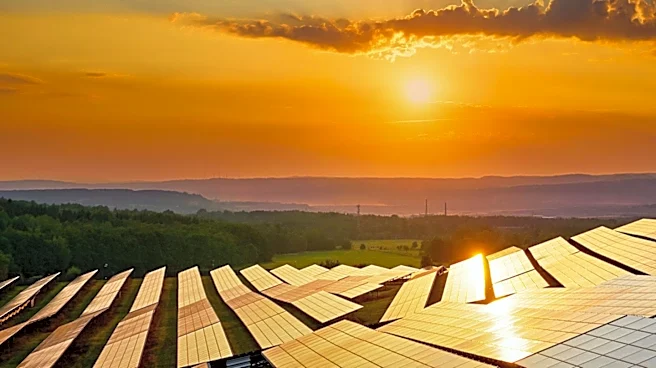
Solar energy kits are increasingly becoming a vital component of disaster relief and humanitarian aid efforts worldwide, providing essential electricity in areas affected by climate-driven disasters and conflict. These portable, rechargeable, and grid-independent
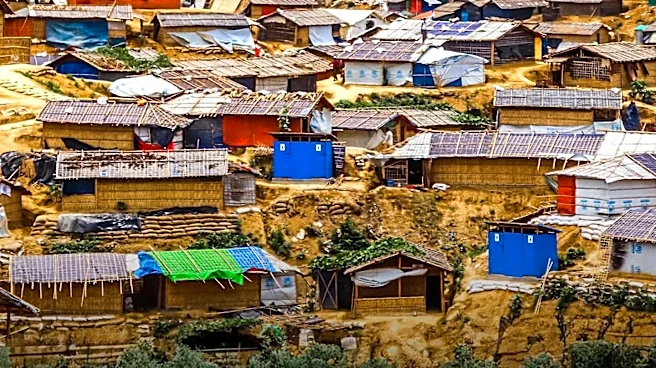
units, ranging from solar lanterns to home systems and electric cookstoves, offer immediate and reliable power access. Experts highlight their ease of deployment in emergency situations, such as rapidly rising floodwaters or conflict zones, where traditional infrastructure is often damaged or non-existent. The declining cost of solar technology, driven by mass manufacturing and technological advancements, has made these kits more affordable and accessible. Organizations like Hope For Ukraine and SolarBuddy are distributing thousands of these kits to families in war-torn regions and disaster-stricken areas, enabling basic necessities like phone charging, lighting for studying, and operating fans during hot seasons. Despite their growing importance, challenges remain, including funding limitations, bureaucratic hurdles, and the need for aid agencies to adapt from established diesel generator systems to new solar distribution chains.
Why It's Important?
The widespread adoption of solar energy kits in humanitarian contexts signifies a critical evolution in disaster response and long-term aid strategies. Access to electricity is recognized as a fundamental need, and these kits provide a sustainable and resilient solution where conventional power sources are unavailable or unreliable. This shift reduces reliance on volatile fossil fuels, which are often costly and difficult to transport to remote or dangerous areas, and mitigates the environmental impact of relief operations. For affected populations, solar power improves quality of life, enhances safety, and supports educational and economic activities. The affordability and user-friendliness of these kits, described as 'plug and play,' make them suitable for diverse users, including vulnerable populations. However, the challenges in integrating solar solutions, such as overcoming bureaucratic inertia and securing consistent funding, underscore the need for greater international cooperation and investment to fully leverage the potential of renewable energy in humanitarian aid.
What's Next?
The trend of integrating solar energy into disaster relief is expected to continue, driven by ongoing technological improvements and the increasing frequency and intensity of climate-related disasters. Efforts will likely focus on streamlining distribution networks, enhancing technical expertise within humanitarian organizations, and securing more stable and substantial funding to meet the growing demand for these kits. Organizations like Global Platform for Action (GPA) and Hope For Ukraine will continue to advocate for and implement solar solutions, but their capacity will depend heavily on donor support. There will also be a push to develop more robust and versatile solar kit designs that can withstand harsh conditions and cater to a wider range of needs. Addressing the bureaucratic hurdles and fostering greater trust in new solar systems among aid agencies will be crucial for scaling up these initiatives. The long-term goal is to establish solar energy as a standard component of humanitarian response, ensuring that communities affected by crises have reliable access to clean power.
Beyond the Headlines
The deployment of solar energy kits in crisis zones extends beyond immediate relief, offering profound long-term implications for sustainable development and resilience. By providing decentralized power, these kits empower communities to rebuild and thrive independently of fragile national grids or external fuel supplies. This fosters local self-sufficiency and reduces vulnerability to future disruptions. The experience gained from using solar in challenging environments can also inform broader energy policies and infrastructure development in developing nations, promoting a transition to renewable energy on a larger scale. Furthermore, the ethical dimension of providing clean, accessible energy in humanitarian settings highlights a commitment to dignity and environmental responsibility. The ongoing struggle for funding and the need to overcome systemic resistance to new technologies reflect the broader challenges in achieving global sustainable development goals, emphasizing that technological solutions must be accompanied by political will and financial commitment to realize their full potential.