







What's Happening?
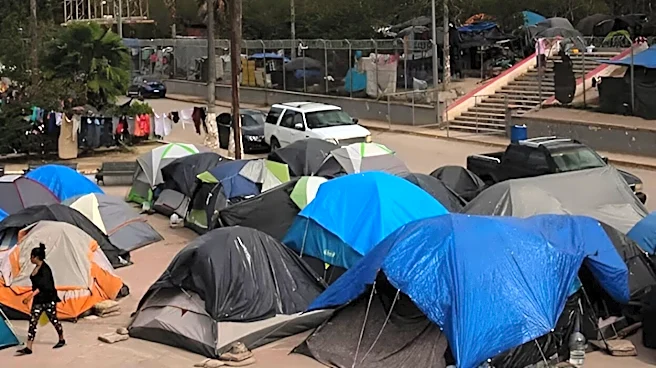
Since 2014, a coalition led by Catholic Community Services (CCS) in Pima County, Arizona, has provided shelter and travel aid to approximately 500,000 asylum seekers. Initially, U.S. immigration authorities released asylum seekers at a downtown bus station
with limited resources, prompting CCS and other charitable agencies to step in. The number of individuals seeking asylum grew significantly over the decade, overwhelming initial small-scale efforts. In 2019, the agencies sought assistance from Pima County and the city of Tucson. Since 2021, CCS has served as the primary shelter provider for the coalition. However, as of July 1, CCS has reduced its scope, now focusing solely on families with young children and other vulnerable individuals, marking a shift in the coalition's operational strategy.
Why It's Important?
This ongoing effort in Pima County highlights the significant humanitarian and logistical challenges faced by U.S. border communities due to increasing asylum seeker arrivals. The collaboration between local government and charitable organizations demonstrates a model for addressing immediate needs, preventing large numbers of vulnerable individuals from being left without shelter or support. The sheer volume of 500,000 individuals assisted underscores the scale of the asylum crisis and the strain it places on local resources. CCS's decision to narrow its focus to the most vulnerable populations indicates a potential shift in the burden of care, which could impact other agencies or lead to new challenges for asylum seekers who do not fall into these categories. This situation reflects broader national discussions on immigration policy, border management, and the role of local communities in humanitarian aid.
What's Next?
With Catholic Community Services narrowing its focus to families with young children and other vulnerable individuals, other asylum seekers may face increased difficulties in securing shelter and travel aid in Pima County. This shift could necessitate other organizations or government entities to expand their services or create new programs to fill the gap. The long-term sustainability of such coalition efforts will likely remain a topic of discussion, especially as the number of asylum seekers continues to fluctuate. Local and federal authorities may need to re-evaluate resource allocation and policy approaches to manage the ongoing humanitarian needs effectively. The situation could also prompt further calls for comprehensive immigration reform to address the root causes and systemic challenges associated with asylum applications.
Beyond the Headlines
The Pima County coalition's decade-long effort to assist asylum seekers reveals the profound human impact of U.S. immigration policies and the critical role of community-based responses. Beyond the immediate provision of shelter and aid, these initiatives foster a sense of dignity and support for individuals fleeing persecution, often arriving with traumatic experiences. The reliance on charitable organizations to manage such a large-scale humanitarian effort also raises questions about the adequacy of federal support and the ethical responsibilities of the government in ensuring the well-being of asylum seekers. The stories of these 500,000 individuals represent a complex tapestry of global displacement, resilience, and the challenges of integration into a new society, highlighting the moral and social dimensions of immigration beyond legal frameworks.