



What's Happening?
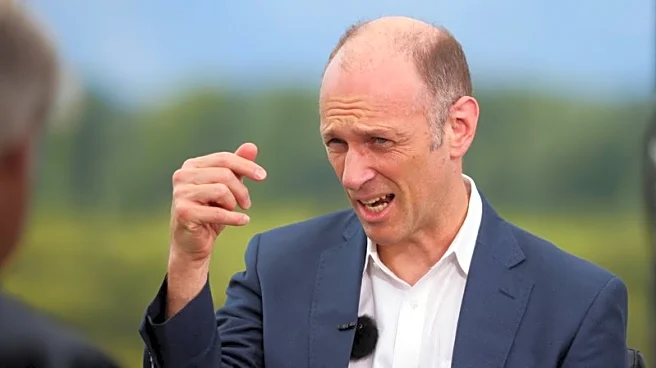
Kevin Hassett, a White House economic advisor, has publicly criticized researchers from the Federal Reserve Bank of New York and a Columbia University professor for their analysis on the impact of President Trump's tariff hikes. The study, which examined
the effects of tariff increases on prices in 2025, concluded that U.S. importers bore the majority of the costs, with foreign exporters making only slight price adjustments. Hassett described the paper as the worst he had seen in the history of the Federal Reserve system and suggested that those involved should be disciplined. The analysis indicated that tariffs, which rose from 2.6 percent to 13 percent over the year, resulted in 86 percent of the costs being absorbed by U.S. importers by November.
Why It's Important?
The criticism from Hassett highlights ongoing tensions between the Trump administration and independent economic research institutions. The findings of the Federal Reserve study are significant as they challenge the administration's narrative that tariffs primarily impact foreign exporters. This has broader implications for U.S. businesses, which may face increased costs due to tariffs, potentially affecting their competitiveness and profitability. The situation underscores the importance of maintaining the independence of the Federal Reserve to ensure unbiased economic analysis, which is crucial for informed policy-making. The administration's attempts to influence or discredit such research could have long-term impacts on economic policy and business operations in the U.S.
What's Next?
The controversy may lead to further scrutiny of the administration's trade policies and their impact on the U.S. economy. It is likely that businesses and trade groups will continue to monitor and respond to tariff-related developments, potentially lobbying for policy changes. The Federal Reserve may also face pressure to defend its research and maintain its independence in the face of political criticism. Additionally, this incident could prompt discussions about the role of economic advisors and the importance of evidence-based policy-making in government.
Beyond the Headlines
The incident raises questions about the ethical responsibilities of government officials in handling economic data and research. It also highlights the potential risks of politicizing economic research, which could undermine public trust in government institutions. The broader cultural implications include a possible shift in how economic policies are debated and implemented, with increased emphasis on transparency and accountability. This situation may also influence future appointments to key economic positions, as the administration's approach to economic research and policy-making comes under scrutiny.