




What's Happening?
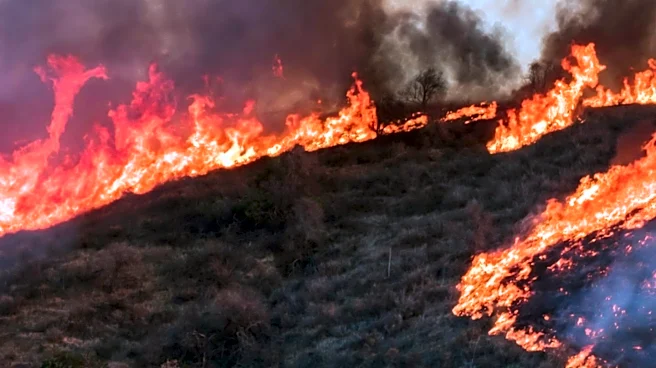
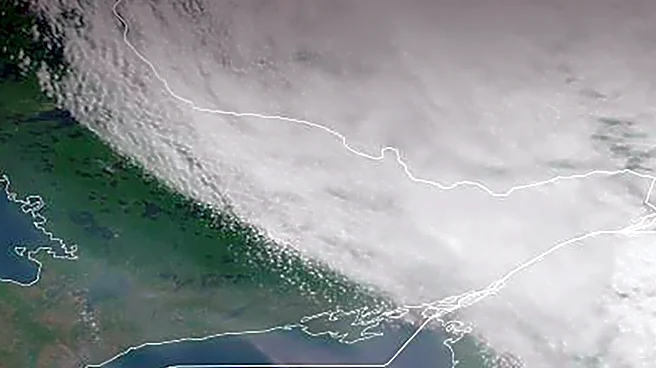
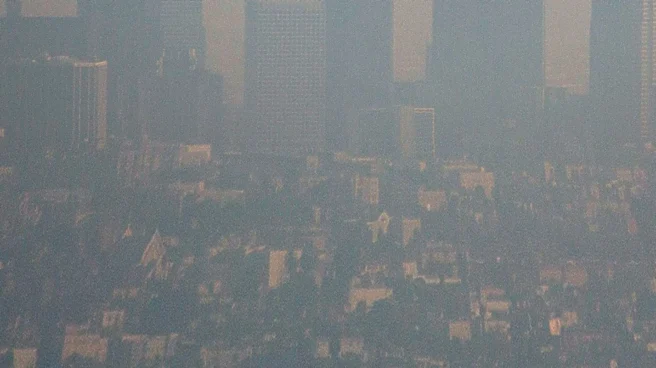
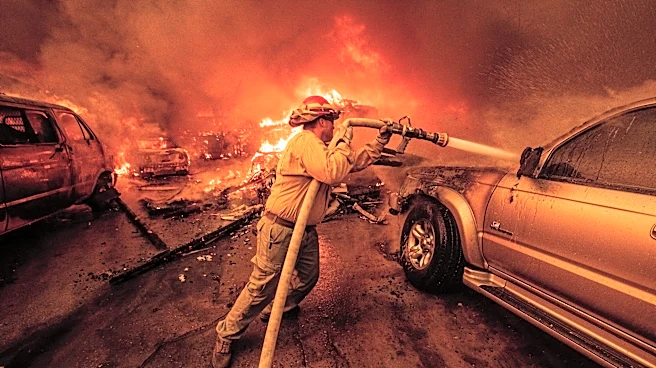
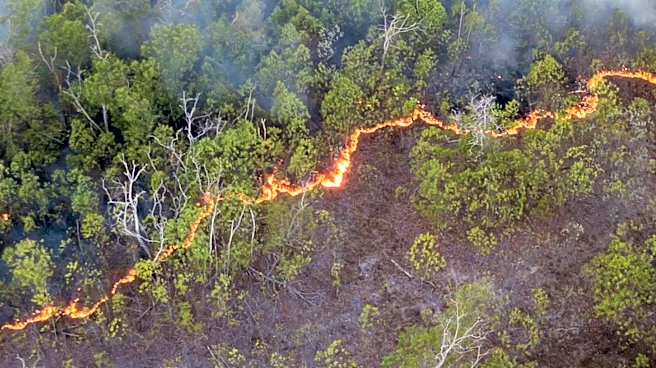
As of July 16th, 2026, more than a dozen wildfires are actively burning across northern Minnesota, consuming tens of thousands of acres. These fires are generating hazardous smoke conditions that extend from the Great Lakes region all the way to the East
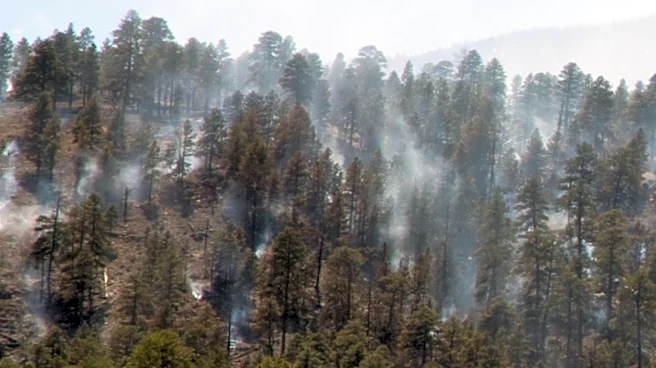
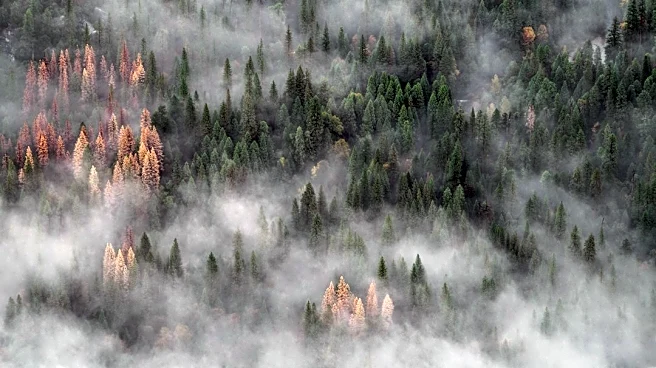
Coast. The Executive Director of Minnesota Lakes & Rivers, Jeff Forester, notes that many communities in the affected areas, particularly those with cabins or homes on wooded lakes, are experiencing these impacts firsthand. Forester highlights that wildfire is a 'way of life' in these regions, and the dense undergrowth of balsam fir and spruce, which historically would have been cleared by low-intensity fires, now creates a significant fire hazard, threatening both new growth and old-growth forests.
Why It's Important?
The rampant wildfires in northern Minnesota pose a severe threat to both the environment and human health. The extensive smoke impacts air quality across a vast geographical area, potentially leading to respiratory issues and other health concerns for millions of people. Economically, these fires can devastate property, disrupt tourism, and incur significant costs for firefighting and recovery efforts. Ecologically, they alter forest ecosystems, destroy wildlife habitats, and can lead to long-term changes in biodiversity. The situation underscores the critical need for effective forest management practices, including prescribed burns, to reduce fuel loads and prevent catastrophic crown fires, thereby protecting communities and natural resources.
What's Next?
With wildfires continuing to burn, immediate efforts will focus on containment and protecting at-risk communities. Long-term strategies will likely involve increased investment in fuel reduction treatments, such as prescribed burns, to manage forest health and mitigate future fire risks. Public awareness campaigns will continue to educate property owners on firewise practices, including managing vegetation around homes and installing protective measures. The ongoing fires will also likely prompt further discussions on the impacts of climate change on wildfire frequency and intensity, potentially influencing regional and national environmental policies related to forest management and climate resilience.
Beyond the Headlines
The Minnesota wildfires highlight a broader national challenge concerning forest management and the legacy of fire suppression policies. Historically, fire was a natural and essential component of many forest ecosystems, clearing undergrowth and promoting new growth. Aggressive fire suppression efforts over the past century, while initially successful in reducing fire occurrences, have inadvertently led to an accumulation of fuel loads, making contemporary fires more intense and destructive. This situation forces a reevaluation of traditional firefighting approaches and emphasizes the importance of ecological understanding in land management. It also brings to light the cultural connection many residents have to these lands and the emotional toll that such widespread destruction can take on communities.