








What's Happening?
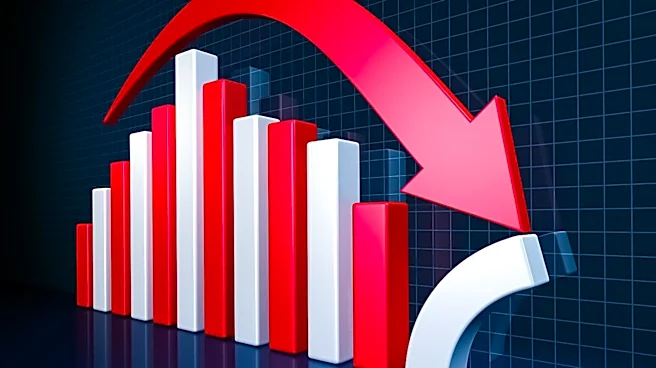
The U.S. job market is experiencing a decline in labor force participation, with the rate dropping to 61.5% in June, the lowest since March 2021. Despite a slight decrease in the unemployment rate to 4.2%, the labor market remains challenging for job seekers.
Factors contributing to the decline include a lack of seasonal hiring in leisure and hospitality and potential discouragement among job seekers. The labor force saw a reduction of 720,000 individuals, raising concerns about the market's stability.
Why It's Important?
The decline in labor force participation has significant implications for the U.S. economy. A shrinking workforce can hinder economic growth and productivity, affecting businesses' ability to find qualified workers. This trend may also lead to wage inflation as companies compete for a smaller pool of candidates. Additionally, the decrease in participation could reflect broader issues such as job dissatisfaction or inadequate opportunities, impacting consumer confidence and economic recovery.
What's Next?
Policymakers and businesses may need to address barriers to workforce participation, such as improving job matching services and offering competitive wages. The Federal Reserve and other economic stakeholders will likely monitor these trends closely to inform policy decisions. Future economic reports will be critical in assessing whether this decline is a temporary fluctuation or indicative of a longer-term trend.