





What's Happening?
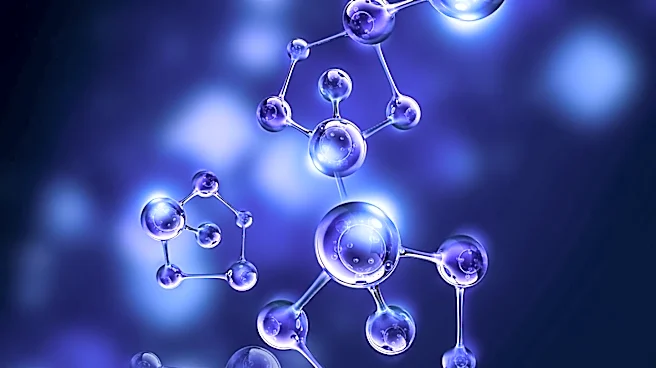
Recent advancements in nanotechnology have led to the development of virus-inspired nanoparticles (NPs) for drug and gene delivery. These NPs mimic the structural and functional properties of viruses, allowing them to efficiently overcome biological barriers
and target specific cells. The review highlights the potential of these biomimetic strategies to enhance delivery efficiency by mimicking viral infection processes such as cell adhesion, membrane fusion, and immune modulation. Researchers are exploring the integration of intelligent strategies to optimize these delivery systems, aiming to advance nanomedicine toward clinical applications.
Why It's Important?
The development of virus-inspired nanoparticles represents a significant leap forward in the field of drug and gene delivery. By harnessing the natural efficiency of viruses, these NPs could revolutionize how treatments are administered, particularly for complex diseases like cancer and genetic disorders. This approach could lead to more targeted therapies with fewer side effects, improving patient outcomes. The potential to overcome current limitations in drug delivery systems could also accelerate the development of new treatments, making this a critical area of research with far-reaching implications for the healthcare industry.