



What's Happening?
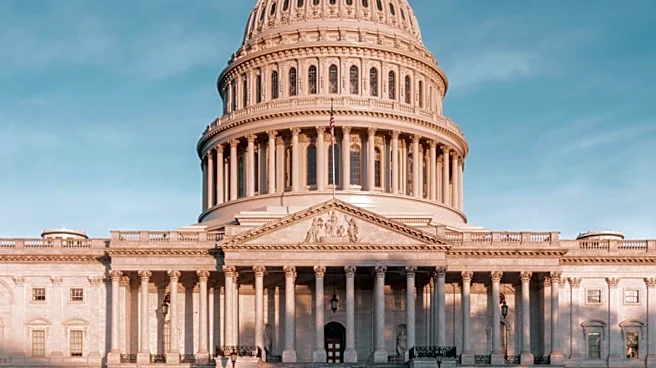
Acting Labor Secretary Keith Sonderling has successfully cleared a procedural hurdle in the Senate, moving closer to a final confirmation vote for his permanent appointment to lead the Labor Department. The Senate conducted a procedural cloture vote,
with a result of 53-47, to advance Sonderling's nomination. This development follows President Trump's nomination of Sonderling to the top position at the Department of Labor (DOL). The vacancy arose after the resignation of the previous Labor Secretary, Lori Chavez-DeRemer, earlier this year. Her resignation occurred amidst an ongoing investigation into allegations of travel fraud and other misconduct during her tenure in office. The timing of the final confirmation vote remains uncertain, as it is unclear whether the Senate will schedule it this week before lawmakers' October recess, which precedes midterm elections.
Why It's Important?
The potential confirmation of Keith Sonderling as the permanent Labor Secretary is significant for the U.S. labor landscape and the Trump administration's policy agenda. A confirmed Secretary provides stability and clear leadership to the Department of Labor, an agency responsible for enforcing labor laws, protecting workers' rights, and overseeing various employment programs. Sonderling's permanent appointment would allow the administration to more effectively implement its labor policies, which could impact areas such as wage regulations, workplace safety standards, and union relations. The previous Secretary's resignation under investigation highlights the scrutiny faced by high-level government appointees and underscores the importance of ethical conduct in public office. The delay in scheduling the final vote also reflects the political dynamics within the Senate, particularly in the lead-up to midterm elections, where such appointments can become points of contention.
What's Next?
The immediate next step is for the Senate to schedule the final confirmation vote for Keith Sonderling. The source indicates that it is currently unclear whether this vote will take place before the upcoming October recess, ahead of midterm elections. If confirmed, Sonderling would assume the full responsibilities of Labor Secretary, allowing the Department of Labor to operate with permanent leadership. This would likely lead to a more consistent implementation of the administration's labor policies. Conversely, if the confirmation is delayed or fails, the DOL would continue to operate under acting leadership, potentially impacting its long-term strategic planning and policy execution. The outcome of the midterm elections could also influence the political appetite for confirming presidential nominees, potentially adding another layer of complexity to Sonderling's path to permanent leadership.
Beyond the Headlines
The process of confirming a Labor Secretary, especially following a resignation due to misconduct allegations, underscores broader themes of accountability and governance within the U.S. federal government. The investigation into former Secretary Chavez-DeRemer's conduct highlights the critical role of oversight bodies, such as the Inspector General, in ensuring integrity among public officials. The Senate's role in confirming presidential nominees serves as a crucial check and balance, influencing the composition and direction of executive agencies. Furthermore, the political maneuvering surrounding such appointments, particularly in an election year, reflects the ongoing struggle for influence between the executive and legislative branches. The stability and effectiveness of federal agencies are directly tied to the leadership at their helm, making the confirmation process a vital component of democratic governance and public trust.