





What's Happening?
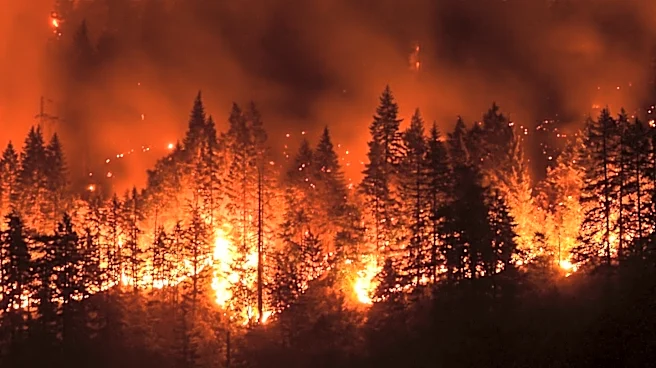
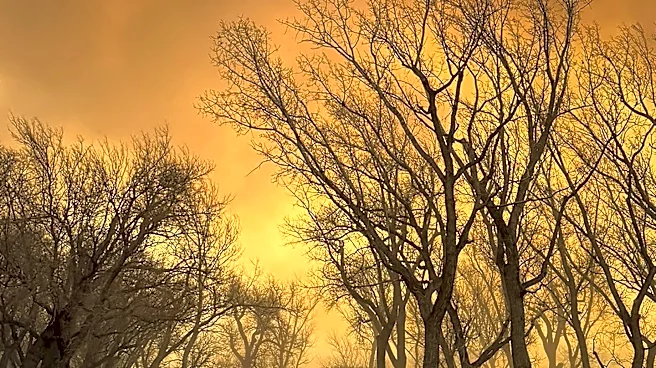
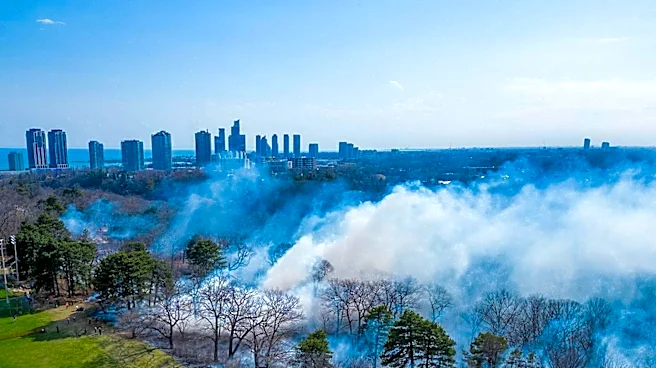
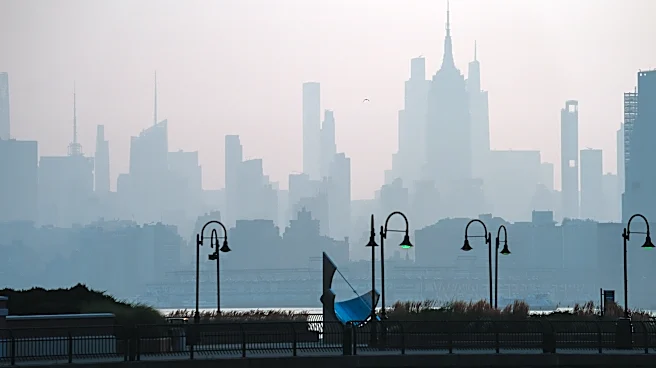
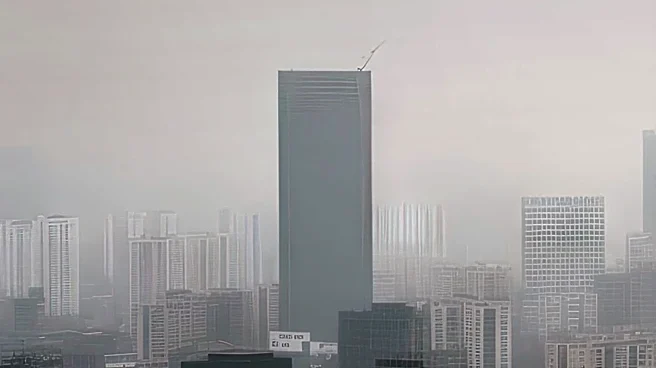
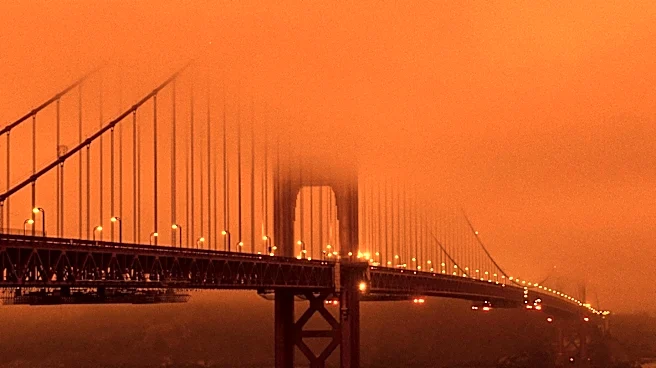
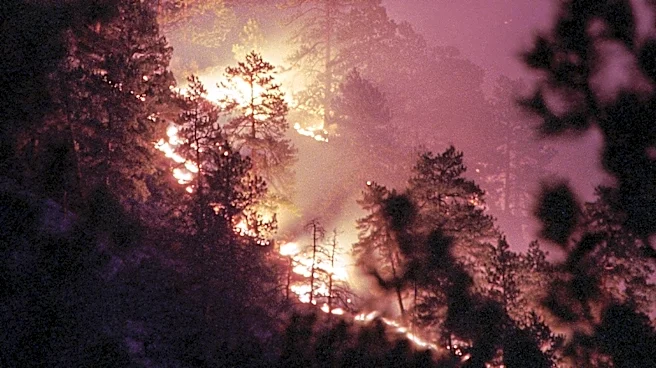
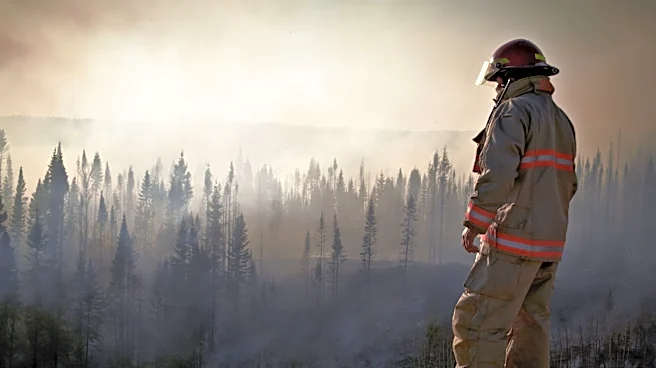
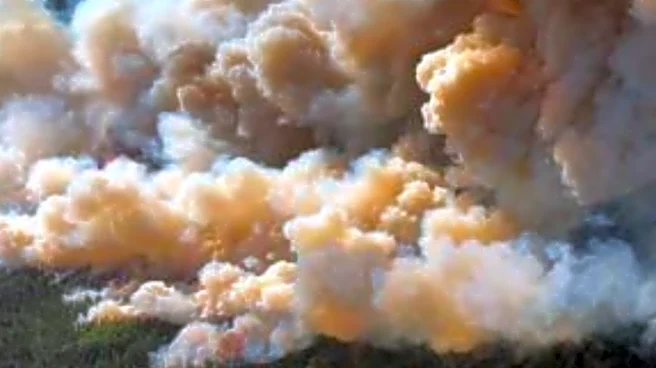
The United States is currently experiencing widespread air quality warnings as smoke from wildfires in Canada and Minnesota continues to affect large parts of the country. The smoke has led to dangerous air quality levels, particularly in the mid-Atlantic,
northeast, Midwest, and Great Lakes regions. Thunderstorms expected in some areas may provide temporary relief but also pose risks of flash flooding and high winds. The situation has raised concerns about air quality for the upcoming World Cup final in New Jersey. Despite some potential improvements, the smoky conditions are expected to persist as the wildfires remain largely uncontrolled. The fires have already caused significant damage in Canada, including the destruction of the Namaygoosisagagun First Nation community and the evacuation of several others.
Why It's Important?
The ongoing air quality issues have significant health implications for millions of people across the United States. Prolonged exposure to wildfire smoke can exacerbate existing health conditions and lead to serious respiratory, cardiovascular, and neurological diseases. Vulnerable populations, including those with pre-existing health conditions, older adults, pregnant individuals, and children, are particularly at risk. The situation underscores the broader impact of climate change, as scientists attribute an increasing number of such events to human-driven environmental changes. The economic impact is also notable, with businesses temporarily closing and outdoor events being canceled due to the hazardous conditions.
What's Next?
As the wildfires continue to burn, air quality is expected to remain a concern in the affected regions. Authorities are likely to maintain or extend air quality warnings and advisories, urging residents to limit outdoor activities and use protective measures like masks. The situation may prompt further discussions on climate policy and emergency response strategies. Additionally, the impact on major events, such as the World Cup final, could lead to increased scrutiny of contingency planning for large gatherings in areas prone to environmental disruptions.