





What's Happening?
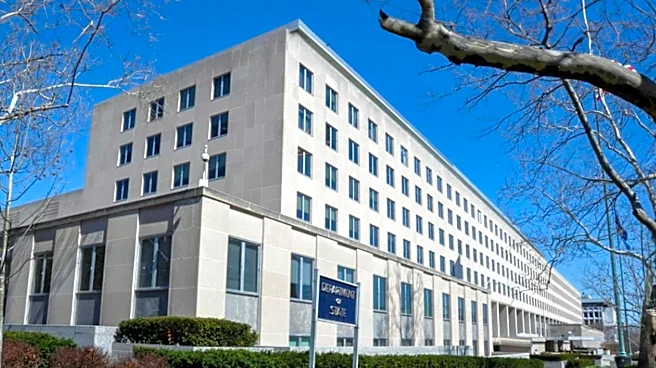
The U.S. State Department is facing criticism for its continued delays in processing visas for the Diversity Visa program and immigrant visa applicants from 75 countries, despite federal court orders to resume these processes. Over the past year, the State Department had
paused visa processing for these two groups. Federal courts subsequently ruled against the government in both instances, with a federal judge striking down the 75-country pause on August 21 and another judge doing the same for the Diversity Visa pause on August 28. While the State Department acknowledged these rulings in writing, the practical implementation has been slow. Many families with scheduled interviews found them canceled without explanation, and U.S. embassies and consulates have been slow to resume processing, with most consular posts showing little to no movement. The State Department formally instructed its embassies and consulates to resume processing on September 10, nearly three weeks after the court rulings.
Why It's Important?
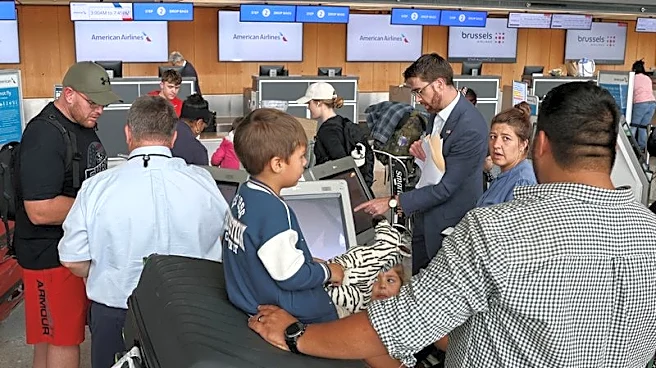
This situation is important because it highlights a significant gap between judicial rulings and their practical enforcement by a government agency, directly impacting thousands of individuals seeking to immigrate to the U.S. The delays create uncertainty and hardship for Diversity Visa selectees, whose visas expire if not issued by September 30, with no rollover to the next year. For immigrant visa applicants from the 75 affected countries, the ongoing pauses prolong family separations and disrupt life plans. The lack of prompt compliance with court orders raises questions about the accountability of government agencies and the effectiveness of the judicial system in ensuring timely action. It also underscores the need for legal counsel for affected individuals to pursue mandamus lawsuits to compel government action, indicating a systemic challenge in navigating U.S. immigration processes.
What's Next?
Affected individuals are advised to actively follow up with consulates and meticulously document all communications and responses. Legal experts suggest that these cases are ripe for government lawsuits, specifically mandamus actions, to compel the State Department to act on the court rulings. While winning in court is a crucial first step, the current situation demonstrates that securing actual compliance from the government can be a more challenging and prolonged battle. The approaching September 30 deadline for Diversity Visa selectees means that many could lose their opportunity if processing does not accelerate significantly. The ongoing delays could lead to further legal challenges and increased pressure on the State Department to fully implement the court orders and process the pending visa applications.
Beyond the Headlines
The persistent delays in visa processing, even after federal court interventions, point to deeper issues within the U.S. immigration system and the executive branch's response to judicial oversight. This scenario could erode public trust in government institutions and the rule of law, as the State Department's actions appear to circumvent the spirit of the court's decisions. It also highlights the vulnerability of immigrant populations and the challenges they face in navigating complex bureaucratic processes, often without adequate support or clear communication. The situation could also prompt a re-evaluation of the mechanisms for enforcing judicial orders against federal agencies, potentially leading to legislative or administrative reforms aimed at ensuring more timely compliance and transparency in visa processing.