





What's Happening?
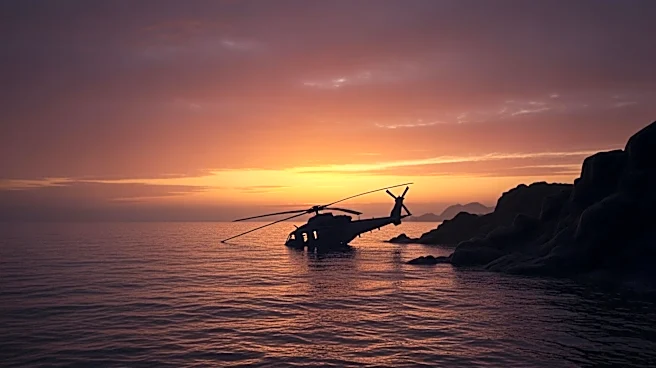
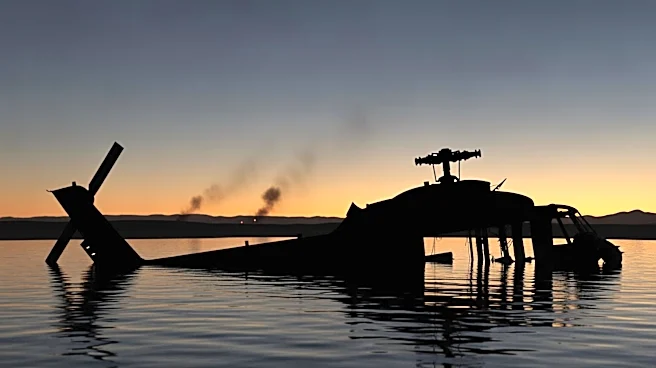
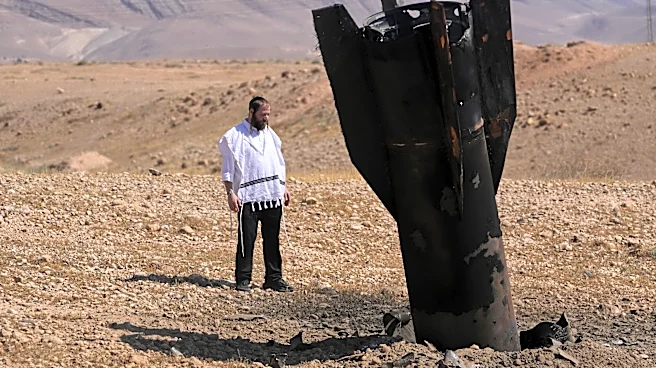
The United States has launched retaliatory strikes against Iran after an Army Apache helicopter was downed by an Iranian drone near the Strait of Hormuz. This incident marks a significant escalation in tensions between the two nations. The U.S. military
conducted the counterstrikes in response to the attack, which resulted in a first-of-its-kind rescue operation for the two crew members involved. President Trump, in an interview with ABC News, emphasized the need for a strong response to the incident. The situation has drawn international attention, highlighting the ongoing volatility in the region and the potential for further military engagements.
Why It's Important?
The retaliatory strikes underscore the fragile nature of U.S.-Iran relations and the potential for conflict in the strategically vital Strait of Hormuz, a critical passage for global oil shipments. The U.S. response aims to deter further aggression from Iran, but it also risks escalating military tensions in the region. This development could impact global oil markets, potentially leading to increased prices and economic uncertainty. Additionally, the incident may influence U.S. foreign policy and defense strategies, as well as international diplomatic efforts to stabilize the region.
What's Next?
The U.S. and Iran are likely to face increased diplomatic pressure to de-escalate tensions and avoid further military confrontations. International stakeholders, including allies and regional partners, may engage in diplomatic efforts to mediate the situation. The U.S. military will likely remain on high alert, and further strategic decisions will be closely monitored by global observers. The incident may also prompt discussions within the U.S. government regarding military presence and policy in the Middle East.