





What's Happening?
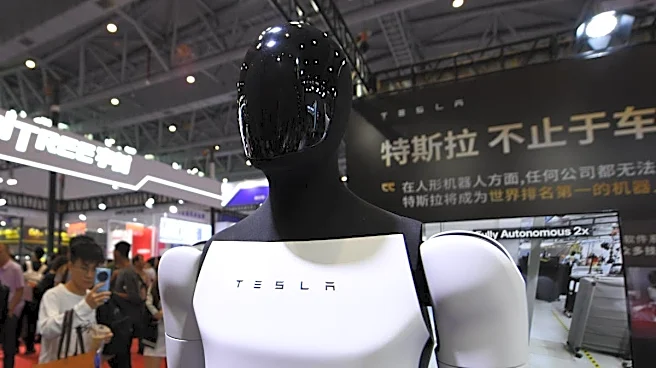
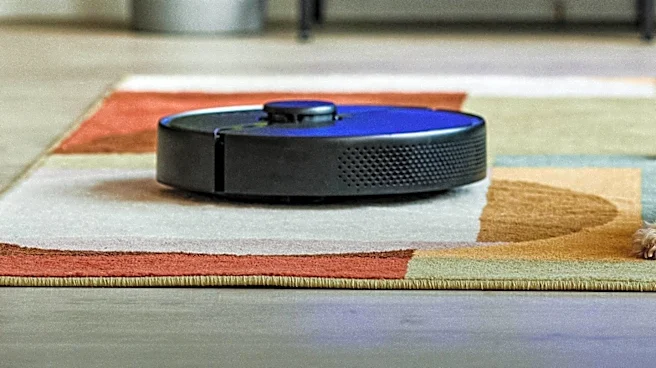
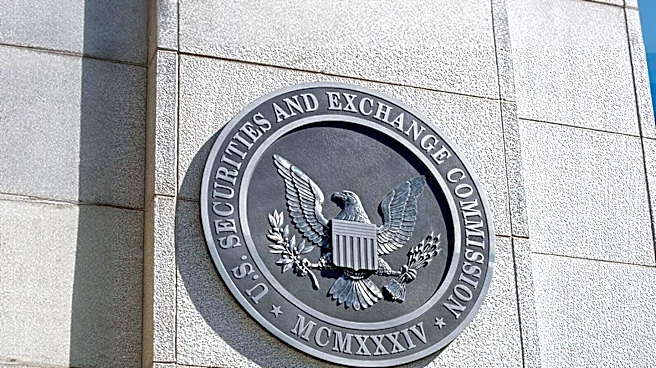
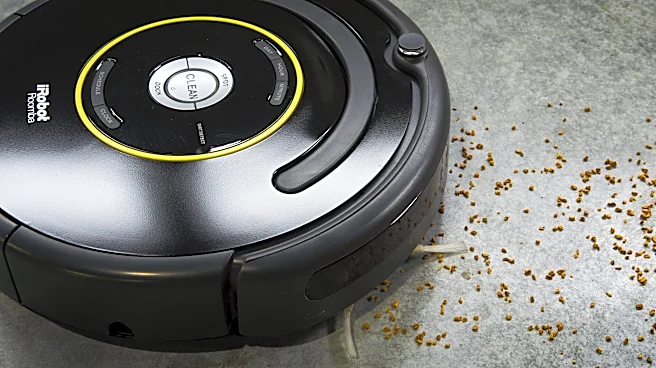
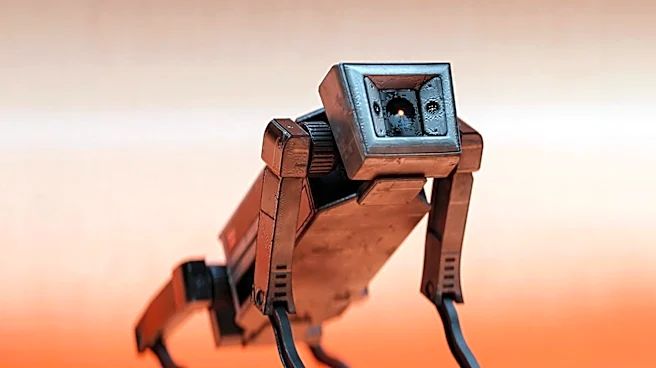
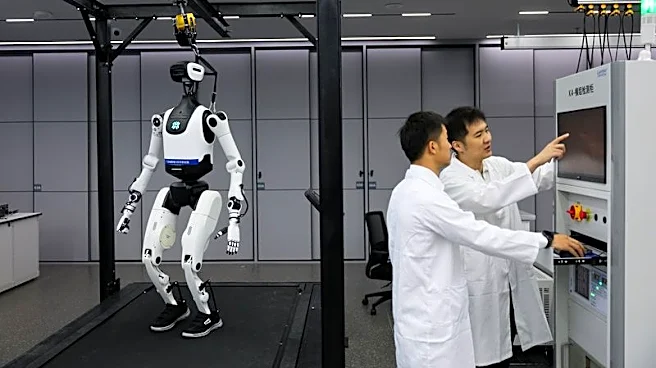
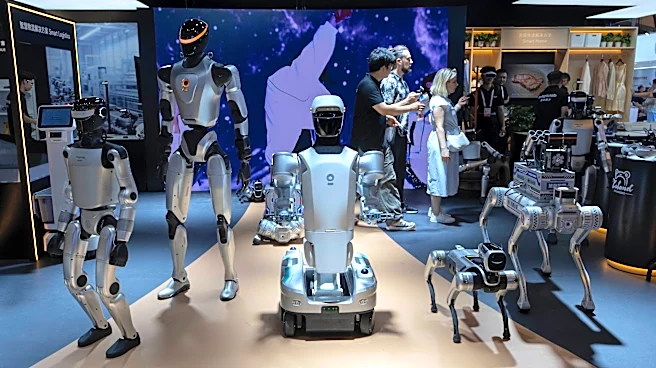
The Federal Communications Commission (FCC) has taken a significant step to address cybersecurity risks by blocking new foreign-produced mobile robots and networked power inverters from receiving the necessary equipment authorization for import, marketing,
or sale in the United States. This decision, announced on July 28, adds these devices to the FCC's Covered List, effectively preventing new models from entering the U.S. market. However, previously authorized models and existing devices remain unaffected, and federal purchases and use are not impacted by this action. The FCC's move is part of broader efforts to mitigate cyber risks associated with foreign-produced medical and mobility devices. The agency has also granted a waiver for software and firmware changes through January 1, 2029, allowing manufacturers to patch vulnerabilities and ensure compatibility with different operating systems. Manufacturers can apply for Conditional Approval through the FCC, with applications due by January 1, 2028.
Why It's Important?
This action by the FCC underscores the growing concern over cybersecurity threats posed by foreign-produced technology. By blocking new models of mobile robots and power inverters, the FCC aims to protect critical infrastructure and prevent potential cyberattacks that could exploit vulnerabilities in these devices. The decision reflects a proactive approach to supply chain security, emphasizing the importance of safeguarding U.S. industries and public safety from foreign cyber threats. The move could have significant implications for manufacturers and suppliers, as they must now navigate stricter regulations and approval processes to bring their products to the U.S. market. Additionally, this action highlights the increasing scrutiny of foreign technology and its potential impact on national security.
What's Next?
Manufacturers seeking to bring new models of mobile robots and power inverters to the U.S. market will need to apply for Conditional Approval through the FCC, with applications due by January 1, 2028. The Department of War and the Department of Homeland Security may also play a role in approving these devices. As the deadline approaches, manufacturers will likely focus on ensuring their products meet the necessary cybersecurity standards to gain approval. The FCC's decision may prompt other regulatory bodies to consider similar actions, potentially leading to a broader reevaluation of foreign-produced technology and its impact on U.S. cybersecurity.
Beyond the Headlines
The FCC's decision to block new foreign-produced robots and power inverters raises important questions about the balance between technological innovation and national security. While the move aims to protect U.S. infrastructure, it may also impact the pace of technological advancement and international trade relations. The decision could lead to increased scrutiny of foreign technology and its integration into U.S. systems, potentially affecting global supply chains and international collaborations. As cybersecurity threats continue to evolve, regulatory bodies may need to adapt their strategies to address emerging risks while fostering innovation.