






What's Happening?
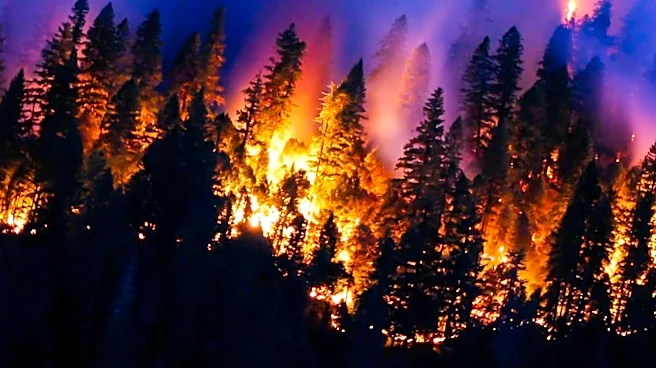
A significant fire and subsequent explosion occurred in the Annan District of Tainan City, Taiwan, at an empty lot on Haidian Road Section 2. The incident, which took place in the early morning hours, involved a large quantity of aluminum-magnesium alloy
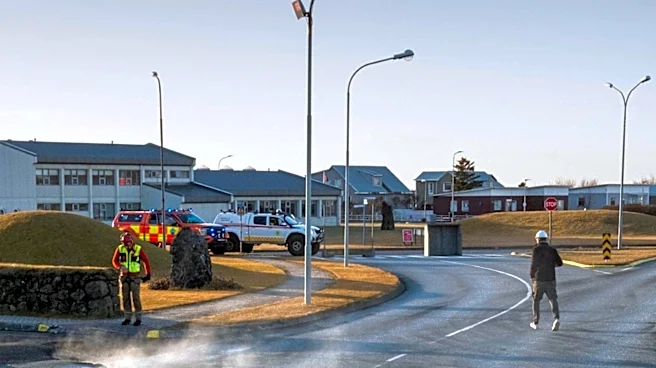
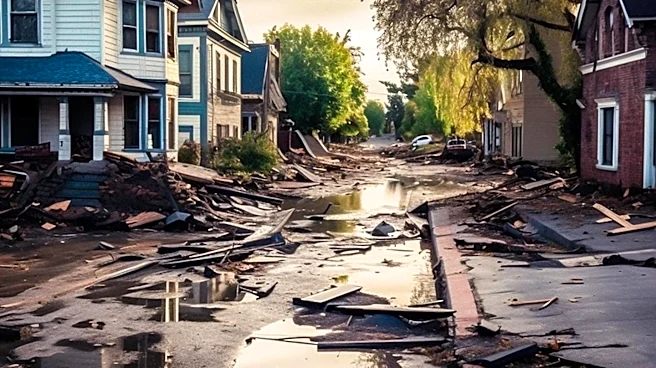
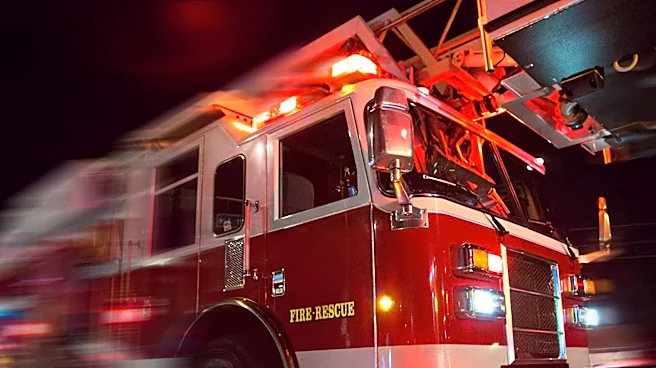
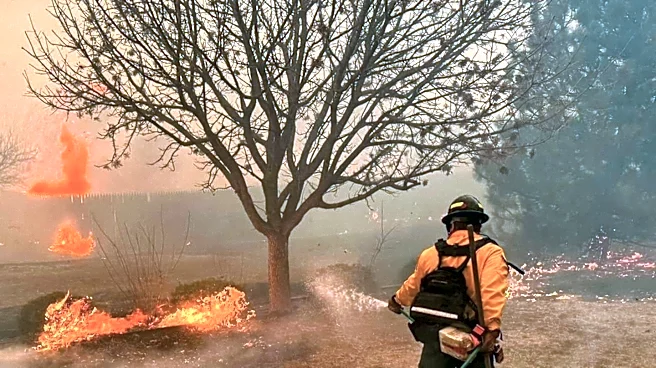
and waste oil stored at the site. Firefighters dispatched to the scene faced a sudden and violent explosion during their rescue efforts. The blast was powerful enough to be heard over a kilometer away and shattered windows and doors of nearby residences. As a result of the explosion, 13 individuals were injured and transported to hospitals, including three firefighters. The fire also spread to eight residential homes and over ten vehicles, and tragically, six fire trucks and one ambulance were destroyed. The exact cause of the fire is currently under investigation. Local residents reported that the site was being used to temporarily store waste materials after construction work.
Why It's Important?
This incident highlights critical safety concerns related to the storage of hazardous materials, particularly in urban or semi-urban environments. The presence of aluminum-magnesium alloy and waste oil, which are highly flammable and reactive, significantly escalated the danger and impact of the fire. The destruction of multiple emergency vehicles, including an ambulance, underscores the risks faced by first responders and can strain local emergency services' capacity. The widespread damage to nearby homes and vehicles, along with the injuries sustained by residents and firefighters, points to potential lapses in regulatory oversight regarding waste material storage and site management. This event could prompt a review of industrial waste storage protocols and emergency response procedures to prevent similar occurrences and better protect both the public and emergency personnel.
What's Next?
Authorities will conduct a thorough investigation to determine the precise cause of the fire and explosion, including how such a large quantity of hazardous materials came to be stored at the site. This investigation will likely involve examining compliance with environmental regulations and construction waste disposal guidelines. There may be calls for stricter enforcement and potentially new legislation regarding the storage of flammable and reactive materials, especially in proximity to residential areas. The injured individuals, including the firefighters, will continue to receive medical treatment, and the extent of their recovery will be monitored. The local government will also need to address the damage to residential properties and vehicles, potentially offering assistance to affected residents. Furthermore, emergency services may review their operational procedures for incidents involving unknown or highly volatile materials to enhance safety for their personnel.
Beyond the Headlines
The Tainan fire and explosion expose a broader issue of urban planning and industrial waste management, particularly in rapidly developing areas. The use of an empty lot for storing hazardous materials, even temporarily, suggests a potential gap in oversight or a lack of suitable designated facilities for such waste. This incident could trigger a re-evaluation of land use policies and zoning laws to prevent the accumulation of dangerous substances near populated areas. Ethically, it raises questions about corporate responsibility in waste disposal and the potential for negligence when cost-cutting measures are prioritized over safety. Culturally, such events can erode public trust in regulatory bodies and local governance if perceived as preventable. The long-term implications might include increased public demand for transparency in industrial operations and more stringent environmental protection measures, potentially leading to higher operational costs for businesses dealing with similar materials.