



What's Happening?
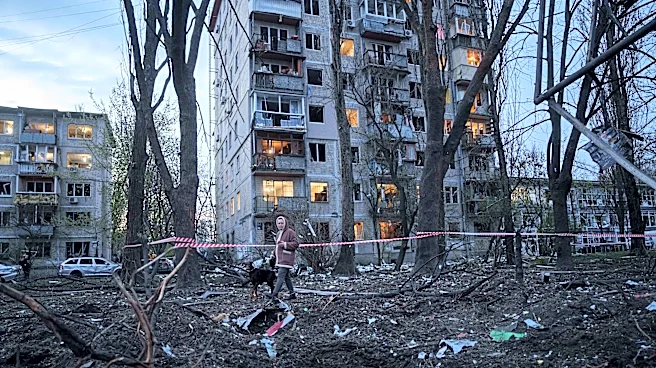
Ukrainian defense companies, particularly those specializing in counter-drone technology, are facing significant challenges in exporting their products despite a surge in global demand. The ongoing conflict with Iran has highlighted the critical need
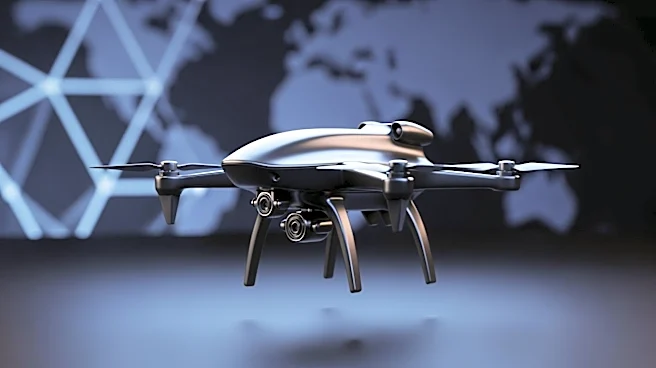
for low-cost interceptor drones, a niche where Ukrainian firms have proven expertise. Stanislav Hryshyn, co-founder of General Cherry, a Ukrainian company producing such drones, expressed concerns about missing market opportunities due to stringent export controls. These controls limit the ability of Ukrainian firms to sell their technology abroad, potentially allowing competitors to fill the gap. Ukrainian President Volodymyr Zelenskyy has indicated that with sufficient investment, Ukraine could supply over 1,000 interceptor drones daily to international partners. However, without the ability to export, Ukrainian companies are restricted to what the domestic defense budget can support, limiting their production capacity.
Why It's Important?
The inability to export interceptor drones could have significant implications for Ukraine's defense industry and its economic prospects. Exporting these drones would not only generate revenue but also enhance Ukraine's military capabilities by allowing for increased production. The global demand for cost-effective drone defense solutions is rising, especially as countries like Iran and Russia continue to deploy drones in conflict zones. Ukrainian firms have a competitive advantage due to their battle-tested technology, but without access to international markets, they risk losing their technological edge. This situation also affects U.S. and allied countries, which could benefit from Ukraine's expertise in counter-drone technology to bolster their own defenses against emerging threats.
What's Next?
Ukrainian defense companies are preparing for potential policy changes that might allow for the export of their technologies. There is hope that joint production agreements with allied countries could emerge, providing a pathway for Ukrainian firms to enter international markets. Such collaborations could strengthen Ukraine's position in the global defense industry and support its war efforts. However, delays in policy adjustments could lead to foreign companies scaling up their production and capturing market share, further complicating Ukraine's ability to compete internationally.
Beyond the Headlines
The situation underscores the broader geopolitical dynamics at play, where technological advancements in warfare are reshaping defense strategies globally. The reliance on low-cost, effective counter-drone solutions highlights a shift in military priorities, emphasizing the need for adaptable and scalable defense technologies. This development also raises ethical and strategic questions about the proliferation of drone technology and its implications for global security. As countries seek to protect their airspace from increasingly sophisticated threats, the role of innovative defense solutions like those from Ukraine becomes ever more critical.