






What's Happening?
A new Healthy Aging Survey conducted by U.S. News, involving 63 experts including medical doctors, scientists, dietitians, and longevity experts, has identified the biggest 'blind spots' in healthy aging. The top three underappreciated factors are social
isolation (59%), circadian disruption (19%), and chronic micro-stress (18%). Experts highlighted that social isolation erodes purpose, disturbs mental health, and compounds stress, with loneliness being recognized as a public health threat. Circadian disruption, or poor sleep, was linked to an increase in chronological age by up to a year. Chronic low-grade psychological stress was noted for significantly increasing the risk of dementia, weakening the immune system, and contributing to heart issues. While consistent exercise, a good diet, and high-quality sleep remain paramount, these 'blind spots' are often overlooked.
Why It's Important?
This survey is crucial for public health in the U.S. as it sheds light on often-neglected aspects of healthy aging that have significant real-world impacts. Recognizing social isolation as a major health threat underscores the importance of community and social connections, particularly for older adults. The emphasis on circadian disruption highlights the critical role of sleep quality beyond just duration, impacting cognitive function and overall longevity. Addressing chronic micro-stress points to the need for effective stress management techniques to mitigate long-term health risks. For healthcare providers, policymakers, and individuals, these findings provide actionable insights to develop more comprehensive healthy aging strategies, moving beyond traditional focuses on diet and exercise to include mental and social well-being. This could lead to new public health initiatives, community programs, and personal wellness practices aimed at improving the quality of life for an aging U.S. population.
What's Next?
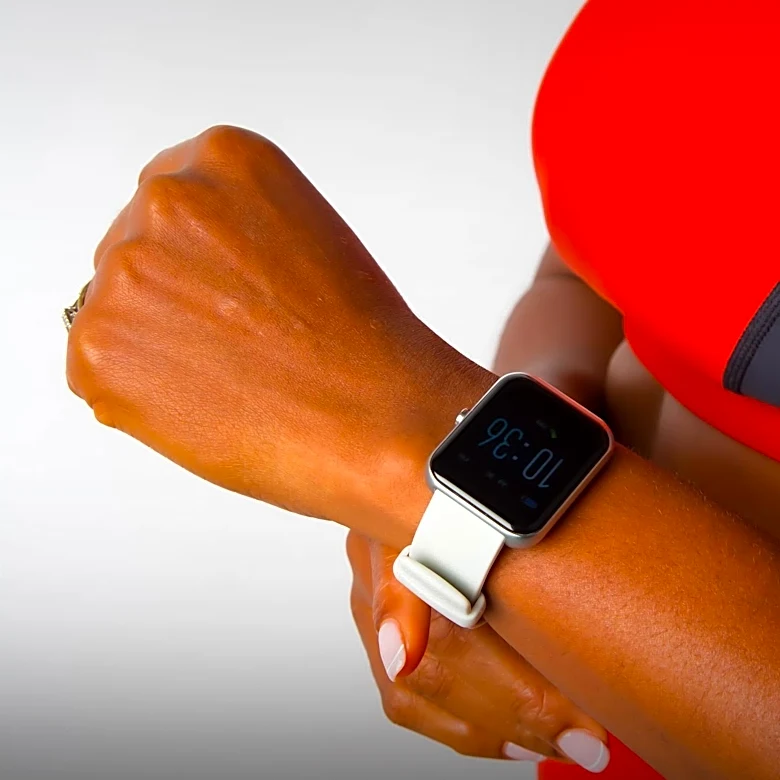
The findings of this U.S. News survey are expected to inform discussions among health professionals and potentially influence public health campaigns. There may be increased focus on developing interventions and resources to combat social isolation, promote better sleep hygiene, and provide tools for stress management. Wearable health and sleep trackers, which were ranked as the most effective longevity tools by the experts, are likely to see continued adoption and innovation. However, the skepticism surrounding other biohacking tools like intermittent fasting for non-diabetics and continuous glucose monitors for non-diabetics suggests a need for more rigorous scientific evidence before widespread endorsement. Future research will likely delve deeper into the mechanisms by which these 'blind spots' impact aging and explore more effective, evidence-based interventions.
Beyond the Headlines
The survey's identification of social isolation, circadian disruption, and chronic stress as key aging 'blind spots' reveals a deeper understanding of health that extends beyond purely biological factors. It highlights the interconnectedness of mental, emotional, and social well-being with physical health and longevity. This holistic view challenges the conventional medical model that often separates these aspects. Culturally, it encourages a re-evaluation of societal values, emphasizing the importance of community engagement, work-life balance, and mental health support as integral components of a healthy life. The skepticism towards certain biohacking tools also serves as a cautionary tale against unverified wellness trends, advocating for evidence-based approaches in the pursuit of longevity and well-being.