





What's Happening?
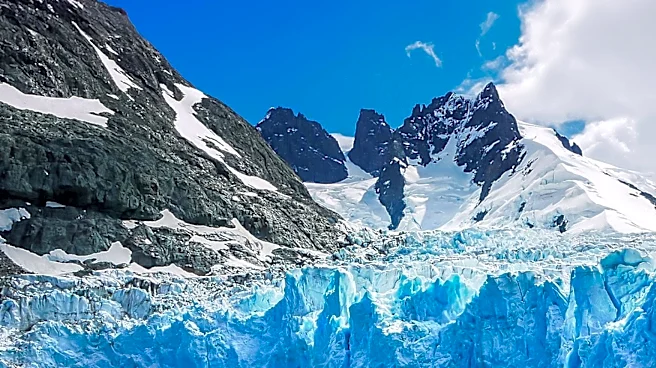
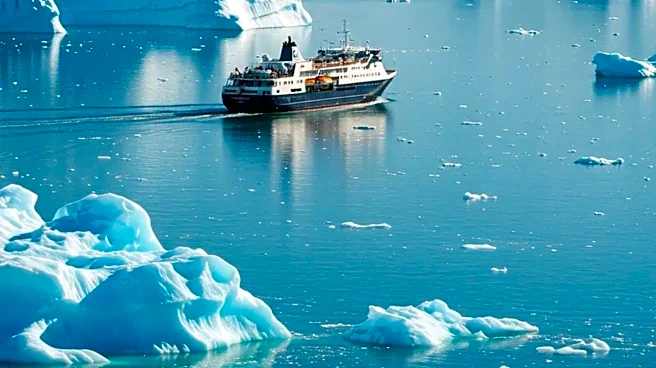
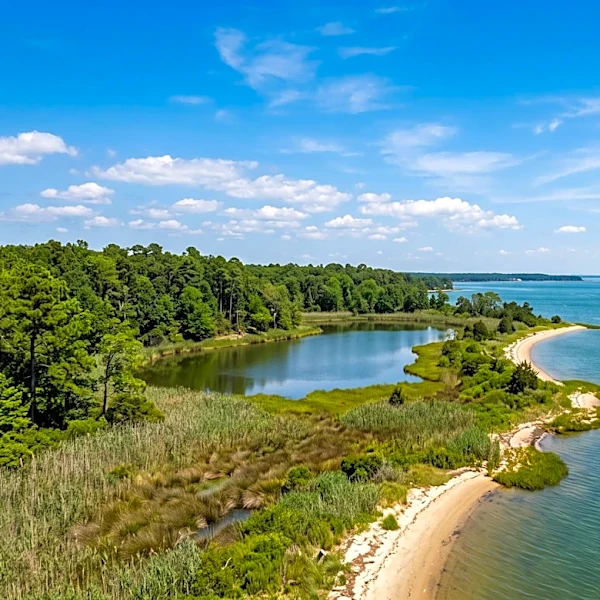
Tonsina Point Trail in Seward, Alaska, provides an accessible coastal hiking experience near Resurrection Bay. The trail, approximately 3-4 miles round trip, leads to a sandy beach where Tonsina Creek meets the bay. It is part of the longer Caines Head
Trail but is manageable for most hikers. The trail offers excellent opportunities for wildlife viewing, with sightings of salmon, bald eagles, and harbor seals reported, particularly during the late summer salmon runs. While the trail can be hiked independently, guided tours are available, offering a naturalist's perspective on the coastal rainforest's ecology.
Why It's Important?
The Tonsina Point Trail is a valuable recreational asset for Seward, Alaska, enhancing its appeal as a tourist destination. Its accessibility makes it suitable for a wide range of visitors, contributing to local tourism revenue through parking fees and guided tour options. The trail's rich wildlife viewing opportunities, especially during salmon runs, highlight the ecological significance of Resurrection Bay and its surrounding coastal rainforest. This natural attraction supports local businesses and provides educational opportunities about Alaska's unique ecosystems, fostering appreciation for conservation efforts.
What's Next?
The popularity of Tonsina Point Trail suggests continued visitor interest, particularly for those seeking accessible outdoor activities and wildlife encounters near Seward. Local authorities and park services will likely focus on maintaining the trail's condition and ensuring visitor safety, especially concerning tide conditions and wildlife interactions. Guided tours are expected to remain a popular option for those desiring deeper ecological insights. Future efforts may include promoting responsible tourism practices to minimize environmental impact and preserve the trail's natural integrity, ensuring its long-term availability for both residents and tourists.
Beyond the Headlines
The Tonsina Point Trail exemplifies the broader challenge of balancing public access with environmental preservation in popular natural areas. The trail's location within a coastal rainforest, an ecosystem distinct from many other parts of Alaska, offers a unique educational opportunity about biodiversity and ecological relationships. The presence of salmon runs, which attract diverse wildlife, underscores the interconnectedness of species and the importance of healthy aquatic environments. The option of guided tours highlights the value of local knowledge in interpreting natural landscapes, enriching the visitor experience beyond mere observation. This trail serves as a microcosm of the larger conservation efforts needed to protect Alaska's diverse and fragile ecosystems.