







What's Happening?
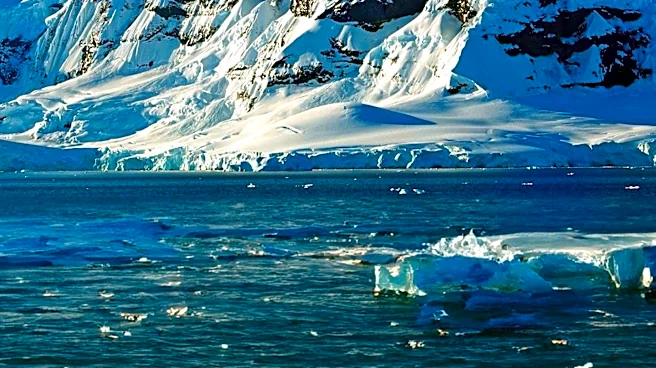
The governance of the Antarctic region is under scrutiny as strategic competition and the demand for marine resources, such as krill, increase. The Antarctic Treaty System (ATS) governs the region, emphasizing peaceful use and scientific cooperation.
However, the proliferation of scientific research stations has raised concerns about dual-use technologies potentially being leveraged for military purposes. The Convention on the Conservation of Antarctic Marine Living Resources attempts to balance conservation with the growing global demand for marine resources. The legal framework is crucial for maintaining the demilitarized status of Antarctica, but the increasing demand for resources and strategic interests from countries like Russia and China pose challenges to this governance structure.
Why It's Important?
The governance of Antarctica is significant due to its implications for global strategic competition and environmental conservation. As countries like Russia and China seek to expand their influence, the potential for military use of scientific infrastructure poses a threat to the region's demilitarized status. Additionally, the demand for marine resources, such as krill, could impact the ecosystem and the sustainability of fisheries. The legal frameworks in place are essential for maintaining peace and scientific cooperation, but they face pressure from geopolitical interests and resource exploitation. The outcome of these governance challenges could affect global environmental policies and international relations.
What's Next?
Future developments in Antarctic governance will likely involve increased diplomatic efforts to reinforce the existing legal frameworks and address the challenges posed by strategic competition and resource demand. Countries involved in the Antarctic Treaty System may need to negotiate new agreements or strengthen existing ones to ensure compliance and prevent the militarization of the region. Additionally, there may be a push for more stringent conservation measures to protect the marine ecosystem from overexploitation. The international community will need to balance strategic interests with environmental conservation to maintain the region's status as a global commons.