







What's Happening?
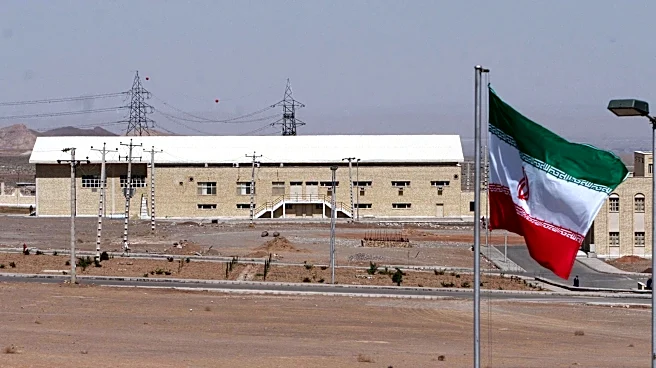
Iran is reportedly undertaking significant construction and repair activities near at least two major missile facilities and other military bases that have sustained damage from US and Israeli air strikes. An analysis of satellite images from November,
reviewed by analysts at the British intelligence company MAIAR, indicates earthworks and new buildings at the Garmdareh military base in Karaj, near Tehran, and at the Shahroud base in northern Iran. Signs of repairs are also visible at a minimum of 12 other military sites, including missile complexes and air bases. For instance, new roofs have appeared on damaged structures at the Kermanshah missile base, and debris has been cleared from the Parchin military complex. At the Taleghan 2 facility within the Parchin complex, damaged buildings have been razed, and an underground bunker has been reinforced with concrete, suggesting extensive reconstruction efforts.
Why It's Important?
This widespread construction and repair activity suggests Iran's concerted effort to restore and enhance its military capabilities, particularly its missile infrastructure, in response to past attacks. Military analysts, such as Mark Cancian from the Center for Strategic and International Studies, believe this indicates Tehran's preparations for potential future US and Israeli strikes. The focus on moving facilities underground, as suggested by former CIA analyst Jim Lamson regarding excavations near Shahroud, highlights Iran's strategy to protect its missile production and storage from aerial assaults. This development could escalate regional tensions, as it signals Iran's determination to maintain and potentially expand its military deterrent, which could be perceived as a threat by its adversaries and lead to further instability in the Middle East.
What's Next?
The ongoing construction and repair work at Iranian military sites are likely to be closely monitored by international intelligence agencies. The development of underground facilities could make it more challenging for foreign powers to assess Iran's military capabilities and intentions. This could lead to increased surveillance efforts and potentially preemptive actions if these developments are perceived as a significant threat. The international community, particularly the US and Israel, will likely continue to evaluate these activities for their implications on regional security and nuclear proliferation concerns. Iran's continued investment in its missile program, especially with enhanced protection, could influence diplomatic efforts and negotiations regarding its nuclear program and regional behavior.
Beyond the Headlines
The extensive underground construction and reinforcement of missile facilities by Iran point to a long-term strategy of resilience and deterrence. This approach reflects a broader geopolitical dynamic where nations seek to protect critical military assets from advanced aerial attacks. The move underground not only offers physical protection but also complicates intelligence gathering and targeting, potentially altering the calculus of military engagement in the region. Ethically, the continuous cycle of strikes and defensive fortifications raises questions about the prospects for de-escalation and lasting peace. Legally, such activities fall within a nation's sovereign right to self-defense, but their perceived offensive capabilities can trigger international concern and calls for greater transparency and arms control. Culturally, this ongoing military buildup reinforces a narrative of persistent threat and preparedness within Iran, shaping its national identity and foreign policy.