








What's Happening?
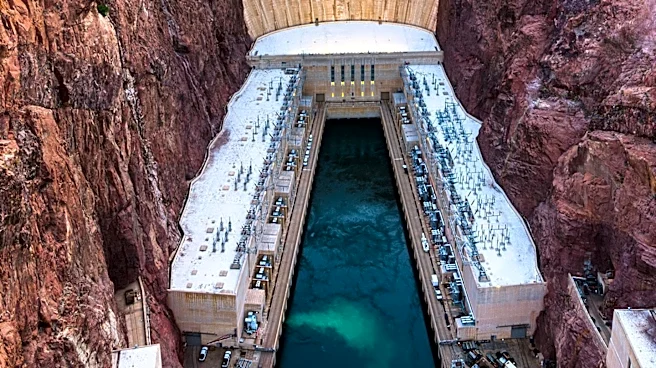
The Colorado River and its tributaries are experiencing significant shrinkage, leading to a decline in electricity generation from the Wayne N. Aspinall Unit, Colorado's only stake in a federal hydropower system. According to the Bureau of Reclamation,
the unit is on track to generate nearly 30% less electricity than its historical average since 1978. This decline is part of a broader trend affecting the Colorado River Storage Project, which supplies about 3% of Colorado's energy. The reduced water levels are causing a decrease in the hydraulic head needed for electricity generation, leading to higher costs as alternative power sources are sought. This situation is compounded by increasing electricity demand from data centers, particularly those supporting artificial intelligence, as noted by the Federal Energy Regulatory Commission's recent efforts to expedite transmission connections for these large users.
Why It's Important?
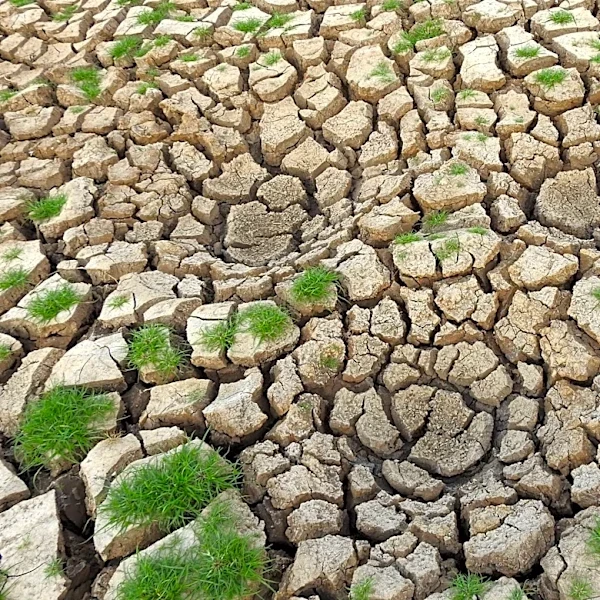
The reduction in hydropower generation from the Colorado River Storage Project has significant implications for electricity costs and supply stability in Colorado and the broader Western U.S. As water levels drop, the cost of electricity is expected to rise, impacting residential users who have already seen a 7% increase in electricity prices over the past year. Utilities like Xcel Energy are seeking rate increases that could exceed 50% by the end of the decade, further straining consumer budgets. The situation highlights the vulnerability of relying on hydropower in the face of climate change and the need for diversified energy sources. Additionally, the growing demand from data centers could exacerbate supply challenges, potentially leading to higher costs and increased pressure on the grid.
What's Next?
The Bureau of Reclamation is taking steps to manage the situation, including emergency water releases and adjustments to reservoir operations to protect power generation capabilities. However, these measures are temporary and do not address the underlying issue of declining water levels. The agency is studying broader infrastructure solutions, with initial findings expected by 2027. Meanwhile, utilities and policymakers may need to explore alternative energy sources and strategies to mitigate the impact on consumers and ensure a stable electricity supply. The potential for a 'compact call' demanding more water delivery from Upper Basin states could further complicate the situation, affecting water and power availability in the region.