








What's Happening?
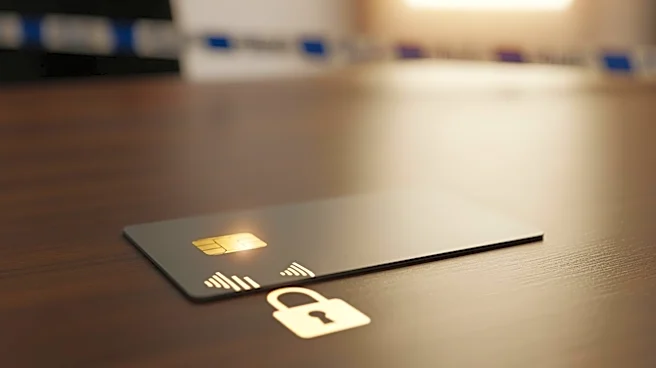
The Ohio House of Representatives has passed House Bill 163, a bipartisan initiative aimed at preventing fraud in the Supplemental Nutrition Assistance Program (SNAP). The bill proposes the introduction of chip-enabled Electronic Benefit Transfer (EBT)
cards to reduce the theft of SNAP benefits, which are often stolen through skimming devices attached to card-reading machines. Testimony from the Cleveland Food Bank revealed that over $17 million in SNAP benefits were stolen between June 2023 and January 2025. The chip technology is expected to make it more difficult for thieves to access card information. The U.S. Department of Agriculture’s Food and Nutrition Service will cover half of the implementation costs, with Ohio responsible for $5.3 million.
Why It's Important?
The introduction of chip-enabled EBT cards is a significant step in safeguarding SNAP benefits, which are crucial for many low-income families. By reducing fraud, the bill aims to ensure that these benefits reach the intended recipients, thereby supporting food security and economic stability for vulnerable populations. The financial impact of fraud is substantial, with millions of dollars lost that could otherwise support those in need. The bill reflects a broader trend of states adopting enhanced security measures to protect public assistance programs, highlighting the importance of cybersecurity in public policy.
What's Next?
Following its passage in the Ohio House, House Bill 163 will move to the Senate for consideration. If approved, Ohio will join other states like Alabama and California in implementing chip technology for EBT cards. The bill's progress will be closely watched by stakeholders, including state officials and advocacy groups, who are invested in the protection and efficient distribution of SNAP benefits. The successful implementation of this technology could serve as a model for other states looking to enhance the security of their public assistance programs.