




What's Happening?
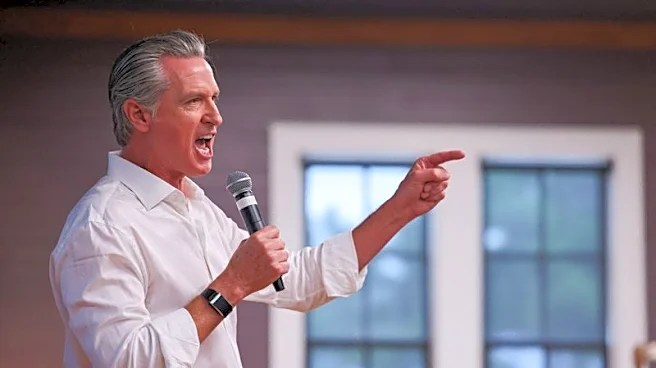
Governor Gavin Newsom has signed legislation aimed at expanding access to California's state parks, advancing conservation goals, and protecting the state's coast and wildlife. This action comes as President Trump's administration reportedly targets public
lands. Since 2022, California has conserved over 3.5 million acres of land and coastal waters, an area larger than Rhode Island and Delaware combined, putting the state on track to meet its 30x30 goal of conserving 30% of its lands and coastal waters by 2030. Key legislative measures include prohibiting the use of state infrastructure for new federal offshore oil and gas leases, establishing the California Wildlife Coexistence Act to mitigate human-wildlife conflicts, and making wildlife connectivity a routine part of highway planning. Additionally, the Governor has codified the 'Outdoors for All' initiative to ensure equitable access to outdoor spaces and made the State Parks Library Pass program permanent, allowing Californians to check out free state parks passes from public libraries.
Why It's Important?
This initiative is significant for California's environmental future and public access to natural resources. By codifying the 30x30 goal and implementing protective legislation, California is taking a proactive stance against potential federal policies that could impact its natural landscapes. The prohibition on using state infrastructure for new offshore oil and gas leases directly challenges federal efforts to expand drilling, safeguarding California's coastline and marine ecosystems. The California Wildlife Coexistence Act and improved wildlife connectivity in highway planning are crucial for biodiversity, reducing wildlife-vehicle collisions, and supporting ranchers through non-lethal deterrence practices. Expanding equitable access to state parks through programs like the permanent State Parks Library Pass ensures that more Californians, especially those in underserved communities, can experience and benefit from the state's natural beauty, fostering a greater appreciation for conservation.
What's Next?
California will continue to implement the recently signed legislation, focusing on achieving its 30x30 conservation goals. The State Lands Commission will now consider additional factors before approving offshore lease renewals and will no longer have the authority to issue new offshore oil and gas leases in coastal sanctuaries. Caltrans will be required to publish an inventory of wildlife connectivity assets and incorporate wildlife connectivity into the State Highway System Management Plan. The 'Outdoors for All' initiative will further expand efforts to connect Californians with natural resources, building on over $1 billion in investments. The permanent State Parks Library Pass program will continue to provide free access to state parks, with ongoing budget funding. Future efforts will likely involve continued monitoring of federal land policies and potential legal challenges if federal actions conflict with California's conservation objectives.
Beyond the Headlines
The legislative actions taken by Governor Newsom highlight a broader ideological divergence between California and the federal government regarding environmental protection and public land management. This move by California could serve as a model or inspiration for other states seeking to assert greater control over their natural resources in the face of differing federal priorities. The emphasis on equitable access to outdoor spaces also addresses social justice aspects of environmental policy, recognizing that access to nature is not uniformly distributed across all communities. Furthermore, the establishment of the State Seal of Climate Literacy for students underscores a long-term commitment to educating the next generation about climate change, integrating environmental stewardship into the state's educational framework and preparing future leaders for a green economy. This comprehensive approach reflects a deep-seated commitment to environmental sustainability and public welfare within California.