






What's Happening?
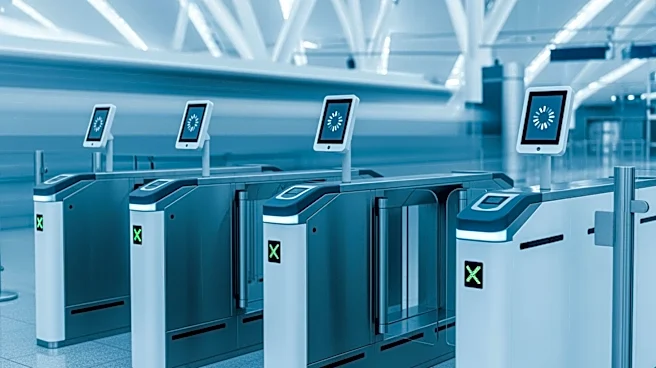
The World Travel & Tourism Council (WTTC) has released research indicating that the implementation of Europe's new Entry/Exit System (EES) could lead to significant border delays, potentially deterring up to 41 million visitors. This system, designed
to modernize and secure European borders, may cause delays of three to four hours at entry points into the Schengen Area. The study surveyed over 2,500 travelers from the United States, United Kingdom, Canada, and Australia, revealing that a third of these travelers would be less likely to visit Europe if such delays were common. The potential impact includes a loss of $45.4 billion in visitor spending. While travelers generally support the idea of stronger border controls, the prospect of lengthy queues is a major deterrent. The WTTC emphasizes the need for effective queue management and operational readiness to ensure a smooth transition to the new system.
Why It's Important?
The potential delays caused by the EES could have a significant impact on the tourism industry, particularly affecting travelers from major markets like the United States. The U.S. is a key source of long-haul travelers to Europe, and any reduction in visitor numbers could have economic repercussions for European destinations reliant on tourism revenue. The findings underscore the importance of balancing security enhancements with traveler convenience. If not managed properly, the EES could lead to a decrease in international travel to Europe, affecting airlines, hotels, and other sectors dependent on tourism. The situation highlights the need for coordinated efforts between governments and the travel industry to mitigate potential disruptions and maintain a positive visitor experience.
What's Next?
To address these challenges, the WTTC suggests several measures, including the adoption of digital pre-registration tools and improved traveler communications. European countries are encouraged to ensure operational readiness at border crossing points, which includes having fully functioning equipment and adequate staffing. A coordinated communication campaign is also recommended to inform travelers about the new system and what is required of them. These steps aim to reduce friction and deliver a seamless experience for travelers, thereby minimizing the risk of decreased visitor numbers. The success of the EES will depend on the effective implementation of these strategies and the ability to adapt to any initial disruptions.