







What's Happening?
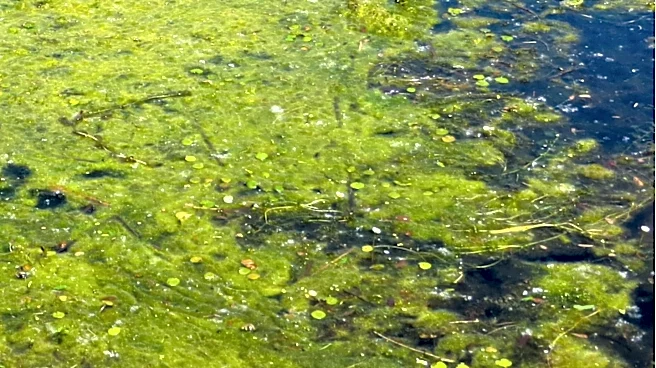
The Food and Drug Administration (FDA) has closed its investigation into the largest Cyclospora outbreak in U.S. history, which sickened nearly 13,000 people. The FDA announced that its inspectors found the Cyclospora parasite in a wastewater tank and a drainage
ditch at a Mexican farm linked to the outbreak. This farm, a supplier to Taylor Farms de Mexico, was previously identified as the source of contaminated iceberg lettuce. Despite the discovery, the FDA stated it remains unclear how the parasite initially contaminated the lettuce. Taylor Farms, in a separate statement, indicated that the independent grower responsible for the contamination is no longer part of their supplier program and their facility in central Mexico remains closed as they implement enhanced safety protocols.
Why It's Important?
This development is significant as it marks the official conclusion of a major foodborne illness investigation and identifies a specific point of contamination, even if the exact mechanism remains elusive. The scale of the outbreak, affecting nearly 13,000 individuals across the U.S., underscores the critical importance of food safety regulations and international supply chain oversight. The finding of Cyclospora in wastewater highlights potential sanitation issues at agricultural facilities, which can have severe public health consequences. For consumers, it reinforces the need for vigilance regarding food safety. For the agricultural industry, particularly those importing produce, it emphasizes the necessity of stringent environmental monitoring and hygiene practices to prevent future outbreaks and maintain consumer trust.
What's Next?
While the FDA has closed its investigation, the implications for food safety practices, especially concerning imported produce, are likely to continue. Taylor Farms has stated it is implementing enhanced safety protocols, which could set new standards for other suppliers. The incident may prompt increased scrutiny and potentially stricter regulations from U.S. authorities on foreign agricultural facilities that export to the U.S. There could also be a push for improved testing methods and faster traceback capabilities to identify contamination sources more efficiently in future outbreaks. Advocacy groups may leverage this case to call for more transparent and robust food safety measures across the industry.
Beyond the Headlines
The inability to definitively determine how the parasite entered the food supply, despite identifying its presence in wastewater, points to a persistent challenge in foodborne illness investigations. This ambiguity can hinder the development of targeted prevention strategies. The incident also raises questions about the effectiveness of current international food safety inspection regimes, particularly given the FDA's visit was the first in over seven years to the Mexican farm. This gap in oversight, potentially exacerbated by factors like the COVID-19 pandemic, highlights systemic vulnerabilities in ensuring the safety of imported food. The case underscores the complex interplay between agricultural practices, environmental hygiene, and global public health.